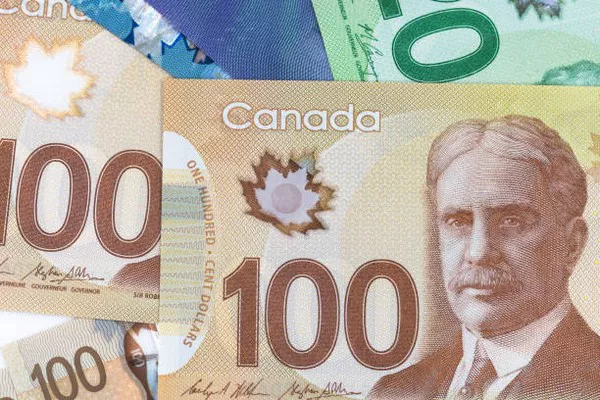
The Canadian dollar fell to its weakest level in nearly 10 months against the U.S. dollar, as stronger U.S. economic data and diverging monetary policy expectations shifted investor sentiment in favor of the greenback. On Monday, the CAD/USD exchange rate slipped below 0.74, its lowest level since March 2023, reflecting broader pressures across global currency markets.
The decline was driven primarily by renewed strength in the U.S. dollar following a series of upbeat economic indicators. Most notably, U.S. employment data released last Friday showed the economy added 250,000 jobs in December, significantly exceeding market expectations. The resilient labor market reinforced views that the Federal Reserve may maintain higher interest rates for longer, supporting U.S. Treasury yields and increasing demand for dollar-denominated assets.
In contrast, recent Canadian economic data has weighed on the loonie. Inflation figures released earlier in the week showed consumer prices rose 2.8% year over year in December, down from 3.1% in November. While easing inflation reduces price pressures, it has also raised concerns about the pace of Canada’s economic recovery. Investors have consequently adjusted expectations for the Bank of Canada, anticipating a more cautious policy path and diminishing the appeal of the Canadian dollar relative to its U.S. counterpart.
The widening gap between U.S. and Canadian monetary policy outlooks has emerged as a key driver of the exchange rate. Markets are increasingly pricing in the possibility of an additional Federal Reserve rate hike by mid-2024, while the Bank of Canada has signaled no urgency to tighten policy further. This divergence has reinforced capital flows toward the U.S. dollar.
External factors have added to market volatility. Ongoing concerns over a potential slowdown in China and the persistent energy crisis in Europe have heightened global risk sensitivity. As a commodity-linked currency, the Canadian dollar remains vulnerable to fluctuations in oil prices. Although crude prices have staged a partial recovery, geopolitical tensions and supply chain disruptions continue to cloud the outlook.
Technical indicators also point to continued weakness. The CAD/USD pair has broken through several key support levels, prompting analysts to focus on the 0.7350 level. A sustained move below this threshold could open the door to a decline toward 0.73 in the weeks ahead, increasing downside risks for the Canadian dollar.
Looking forward, analysts expect the CAD/USD exchange rate to remain under pressure unless economic conditions shift materially. Attention is likely to center on upcoming Federal Reserve communications, particularly ahead of the late-January Federal Open Market Committee meeting, as well as future signals from the Bank of Canada amid ongoing inflation concerns.
The move to a 10-month low underscores the broader dominance of the U.S. dollar in the current macroeconomic environment. The Canadian dollar’s near-term prospects remain closely tied to domestic economic performance, central bank policy direction, and evolving global economic conditions.
You Might Be Interested In:
- USD/CAD Holds Firm Near 1.3700 as Tariff Concerns Mount
- USD Faces Volatility as Geopolitical Tensions and Economic Data Diverge
- USD Strengthens Against Major Currencies as Federal Reserve Signals Prolonged Tightening Cycle