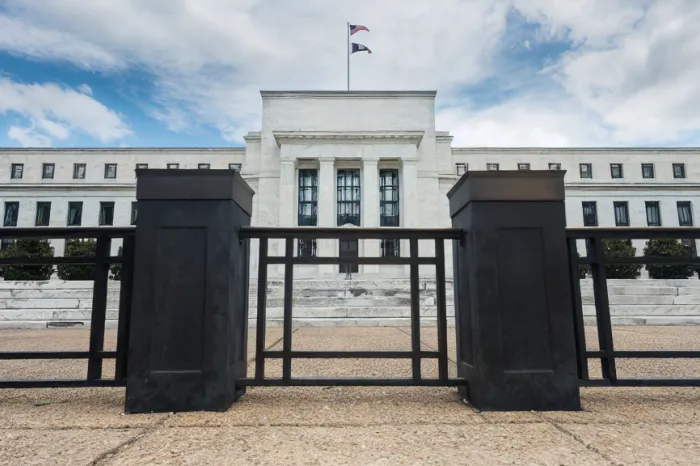
Kevin Warsh, the newly appointed Federal Reserve Chairman, has signaled a clear intent to reduce the size of the Fed’s balance sheet, a move that could reshape U.S. monetary policy. The Fed’s balance sheet currently exceeds $6 trillion, a legacy of past crises and unconventional policies. Warsh’s plan to shrink this massive footprint faces opposition from some Fed officials who argue for maintaining the status quo.
Critics of the large balance sheet highlight several economic drawbacks. Although creating reserves costs the Fed little in accounting terms, the economic costs are substantial. Each dollar of reserves must be backed by assets, and when returns on those assets fall short of interest paid on reserves, the Fed incurs losses ultimately borne by taxpayers. In 2023 and 2024, these losses approached $200 billion. Additionally, an abundant reserve framework allows fiscal quantitative easing, which can bypass Congressional spending oversight by enabling the Fed to finance government programs indirectly.
Supporters of the large balance sheet also argue that reducing it might cause financial instability or tighten credit conditions too sharply. However, experts note that past episodes of market stress, such as the September 2019 repo market spike, were largely driven by regulatory constraints and temporary factors rather than an inherently low reserve level. Moreover, shrinking the balance sheet is not intended to be abrupt but gradual, with clear communication to markets to prevent misinterpretation as tightening monetary policy.
The debate over interest rates adds another layer of complexity. Peter Navarro, a senior adviser to former President Trump, publicly urged the Fed not to raise interest rates further. Navarro criticized Jerome Powell’s tenure as Fed Chair and expressed hopes that Warsh would support lower rates in line with Trump’s preferences. The Federal Open Market Committee (FOMC) has held rates steady between 3.5% and 3.75% recently, with its next meeting scheduled for mid-June under Warsh’s leadership.
Warsh has emphasized his commitment to making decisions based on economic data rather than political pressure. Despite calls from some quarters for immediate rate cuts or hikes, he aims to navigate monetary policy carefully amid ongoing economic uncertainties. The challenges ahead include balancing inflation control with financial market stability while addressing concerns about the Fed’s expanding role in fiscal support and credit allocation.
Many economists argue that the Fed’s expanded responsibilities—ranging from managing macroeconomic goals to regulating banks and intervening in credit markets—have grown beyond what Congress originally intended. Shrinking the balance sheet and refocusing on traditional monetary policy could restore a clearer central bank role and reduce risks in the financial system. Warsh’s tenure offers a critical opportunity to implement these reforms and potentially improve economic outcomes through a more restrained and transparent approach.