The GBP/USD currency pair remains relatively stable as recent developments in the Middle East influence global oil prices and investor sentiment. A ceasefire agreement between Israel and Lebanon has led to a modest easing in oil prices, breaking a two-day rally. This truce has raised hopes for a broader resolution to the ongoing conflict in the region. However, despite this positive diplomatic step, the overall supply outlook for oil remains uncertain due to persistent geopolitical tensions.
Oil inventories in the United States have dropped sharply, with crude stockpiles falling by 8 million barrels in the week ending May 29, significantly more than anticipated. This rapid decline in inventories tightens the global supply buffer and increases market sensitivity to any further disruptions. The Strait of Hormuz, a vital shipping route for oil, remains a focal point of concern amid ongoing hostilities involving Iran, including attacks on Kuwait and U.S. military responses nearby. Until normal shipping flows resume, traders are likely to continue pricing in a geopolitical risk premium, which supports elevated oil prices.
The U.S.-Iran diplomatic stalemate further complicates market dynamics. While there are mixed signals about progress in talks, with President Trump expressing optimism contrasting with Tehran’s more cautious stance, no clear breakthrough has been achieved. Legislative efforts within the U.S. Congress to limit military action against Iran face significant hurdles and are unlikely to bring immediate policy changes.
For the British pound, elevated energy prices remain a key concern amid fragile economic conditions. Although oil and gas prices have eased somewhat from their peaks earlier this year, they remain substantially above pre-conflict levels. The continued pressure on energy costs contributes to inflationary challenges and risks slowing economic growth. Recent UK purchasing managers’ index (PMI) data indicated contraction territory in May, highlighting stagflationary pressures.
Market participants are closely watching Bank of England Governor Andrew Bailey’s upcoming remarks for insight into the central bank’s view on inflation and energy price impacts. Current expectations suggest the Bank of England may delay further interest rate hikes until later in the year as economic growth remains under strain.
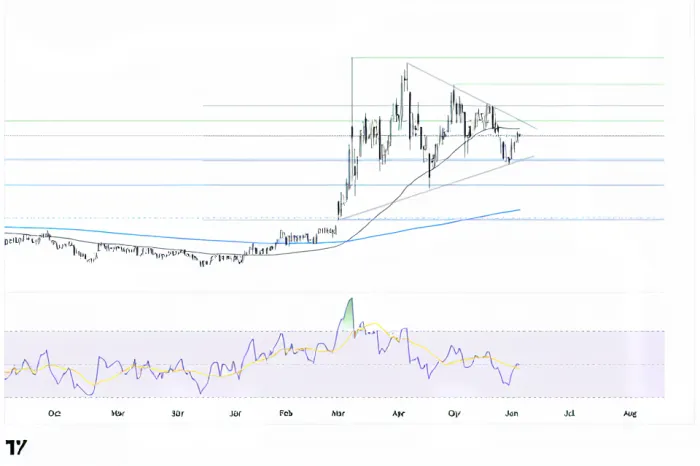
Technically, GBP/USD is trading within a symmetrical triangle pattern. The pair is testing support near the 200-day simple moving average around 134.20. A break below this level could open the way for further declines toward key support zones near 133.40 and possibly 132. On the upside, overcoming resistance at the 50-day moving average near 134.50 and the triangle’s upper boundary could signal renewed strength toward levels above 136.
Overall, GBP/USD remains influenced by a complex interplay of geopolitical developments affecting oil markets and cautious economic indicators from both sides of the Atlantic. Investors are balancing hopes for reduced Middle East tensions against persistent risks that could keep energy prices elevated and weigh on growth prospects.