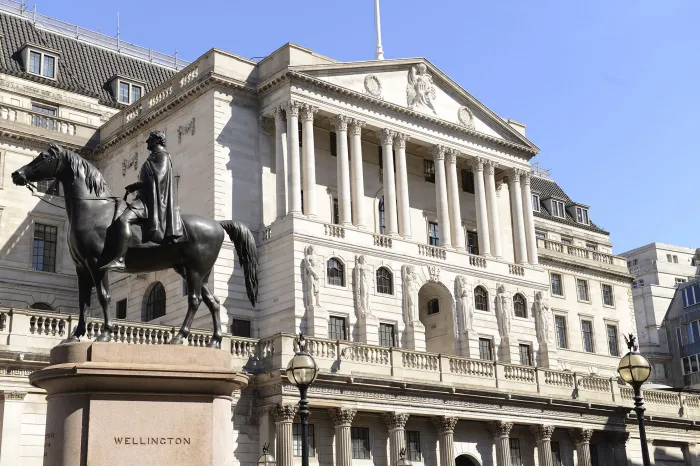
The Bank of England (BoE) is currently navigating a complex economic environment marked by fluctuating energy prices and uncertain inflation outlooks. Policymaker Swati Dhingra highlighted the difficulties in providing clear interest rate guidance due to unpredictable oil price movements stemming from ongoing conflicts in the Middle East. Speaking at an event hosted by University College London, Dhingra emphasized that the future path of interest rates is heavily dependent on how the energy crisis evolves, making precise forecasts challenging.
In recent months, the BoE’s Monetary Policy Committee (MPC) has shown cautiousness in adjusting rates. Dhingra was part of the majority that voted to keep rates steady at 3.75% during the April meeting but had previously voted for a quarter-point rate cut before the outbreak of hostilities in Iran. She noted that if the Middle East conflict resolves quickly and oil prices fall, a rate cut could again be appropriate. Conversely, if the situation worsens, some tightening of monetary policy might be necessary.
The BoE’s latest Decision Maker Panel survey reveals that British firms expect slower price increases in the coming year compared to April, with anticipated price growth dropping to 4.0% from 4.4%. This moderation reflects a fading initial shock from rising energy costs triggered by the conflict. Despite this, inflation expectations remain above pre-conflict levels seen in February, when firms predicted a 3.4% rise. The survey also indicates that 57% of companies plan to raise prices due to energy costs, down from 64% in April, while a significant portion expect profit margins to remain squeezed.
Labor market trends suggest further economic caution. Businesses reported plans to reduce employment by 0.4% over the next twelve months—the largest planned cut in half a year—while expected wage growth remains subdued at 3.4%, among the lowest since mid-2022. These factors contribute to limiting consumer demand for higher-priced goods and services, which could temper inflationary pressures and influence BoE’s policy decisions.
Financial markets currently assign only a small probability to an interest rate increase at the BoE’s June meeting but anticipate about an 80% chance of a quarter-point hike by September. This outlook reflects uncertainty over energy prices and their broader impact on inflation and economic growth.
Adding to the analytical tools available to policymakers, University College London economists have introduced a new forecasting model that predicts inflation and GDP growth based on statistical relationships rather than subjective judgments. According to this model, inflation is expected to hold near 3% through 2026, while GDP growth is projected to slow from 0.6% in the first quarter to 0.3% in the second quarter.
Dhingra underscored that understanding the underlying drivers of inflation and growth is more valuable for setting interest rates than relying solely on specific forecasts. As energy price volatility continues amid geopolitical tensions, the Bank of England faces significant challenges in balancing its objectives of controlling inflation while supporting economic stability.