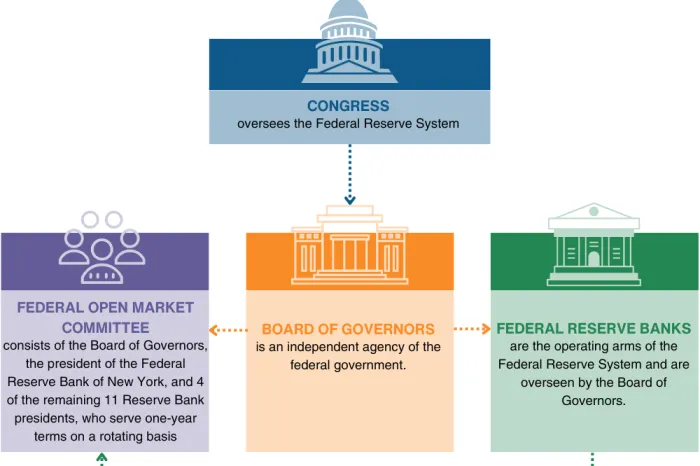
The Federal Reserve is under close scrutiny as the House Financial Services Committee prepares for a field hearing on June 12 in Oklahoma City. This hearing comes at a pivotal time for the central bank, just weeks after Kevin Warsh was sworn in as the new Federal Reserve Chair following one of the most divided Senate confirmation votes in history. The committee’s Task Force on Monetary Policy, Treasury Market Resilience, and Economic Prosperity will examine the Federal Reserve’s structure and its ability to operate independently and maintain stability in Treasury markets.
Warsh’s confirmation capped a period of heightened tension between the White House and the outgoing chair, Jerome Powell. Reports indicated that former President Trump demanded immediate interest rate cuts from the Fed and even threatened to remove Powell from his position on the Board of Governors. Such threats raised concerns about potential political interference in the Fed’s traditionally independent role. Powell’s defense of the Fed’s independence during his tenure has been widely noted, highlighting the challenges faced by the institution under political pressure.
The Task Force, formed in early 2025, began its review of the Federal Reserve’s policies and tools well before these recent events. The June 12 hearing is part of an ongoing effort to reassess how well the Fed’s current framework serves its mission amid evolving economic conditions. Committee Chair French Hill, along with Vice Chair Bill Huizenga and Ranking Member Maxine Waters, will lead the inquiry into whether the Fed’s institutional design sufficiently protects it from political influence and whether its mechanisms effectively support Treasury market stability.
Treasury market resilience is a critical focus of this review. The Federal Open Market Committee (FOMC) minutes from late April noted that liquidity in Treasury markets remained favorable despite increased volatility. This assessment will be closely examined by lawmakers to determine if the Fed’s current tools are adequate for managing such market conditions. Given that U.S. Treasury securities underpin global finance, any instability can have widespread effects on borrowing costs for governments, businesses, and consumers alike.
Holding the hearing outside Washington signals an intent to connect federal policy discussions with regional economic realities. While no witnesses have been announced yet, this session will provide lawmakers an opportunity to explore whether reforms are needed to safeguard the Fed’s independence and enhance its ability to stabilize financial markets. The outcome could shape future oversight and policies affecting monetary governance and economic prosperity across the country.
As the Federal Reserve navigates these challenges, this congressional review highlights broader questions about central bank governance in a politically charged environment. The results may influence how monetary policy is conducted and how financial markets are regulated going forward.