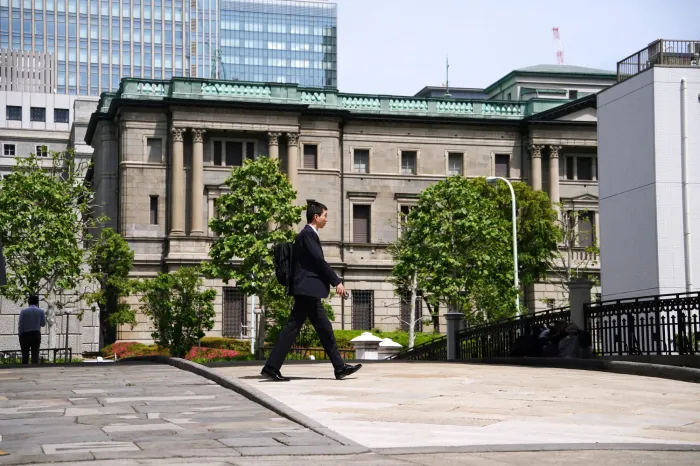
The Bank of Japan (BOJ) has taken a significant step by raising its key policy interest rate to 1.0%, marking the highest level in over three decades. This move reflects the central bank’s efforts to normalize monetary policy in response to rising inflation pressures and a weakening yen. The decision came after two days of meetings at the BOJ headquarters, with eight policy board members present. Governor Kazuo Ueda was absent due to illness, and Deputy Governor Shinichi Uchida represented the bank at a subsequent press conference.
The BOJ’s interest rate hike, the first since December, aligns Japan with other major central banks like the European Central Bank and the U.S. Federal Reserve, which have been tightening policies to control inflation. Deputy Governor Uchida highlighted concerns that underlying inflation could exceed the BOJ’s 2% target, especially as temporary factors such as government subsidies currently mask true price increases. For example, while the nationwide Consumer Price Index excluding fresh food remains below 2%, excluding special factors it reached 2.8% in April.
Japan’s inflationary pressures are driven partly by the yen’s decline to around 160 yen against the U.S. dollar and higher energy costs linked to geopolitical tensions in the Middle East, particularly related to the Iran conflict. Although recent agreements between the U.S. and Iran offer some hope for easing oil supply risks, uncertainties remain about how quickly energy distribution will stabilize. These factors have contributed to rising import prices and business-to-business costs, which are expected to pass through to consumer prices.
The decision also reflects a cautious but coordinated stance between the BOJ and Prime Minister Sanae Takaichi’s administration. Initially wary of rate hikes due to concerns about slowing economic growth, the government has recently accepted that monetary tightening is necessary to address currency depreciation and rising bond yields. The yen’s weakness has fueled inflation via higher import costs and raised concerns about government bond issuance difficulties, potentially undermining planned fiscal policies such as consumption tax cuts and investment in growth initiatives.
Alongside raising interest rates, the BOJ announced it would pause its planned tapering of government bond purchases scheduled for fiscal year 2027. This move aims to help stabilize long-term bond yields, which have surged to levels not seen in nearly three decades amid market volatility. Analysts suggest this pause may be a compromise reflecting government concerns over sharp increases in borrowing costs.
Market observers note that despite the rate increase, financial conditions in Japan remain broadly accommodative due to steady wage growth and robust domestic demand. Some experts see monetary policy normalization as confirmation of economic resilience rather than a negative signal. For investors, this environment could support sectors tied to domestic consumption and technology, which have recently led gains in Japanese equity markets.
Looking ahead, the BOJ has indicated it will closely monitor economic developments and inflation trends, especially considering ongoing geopolitical risks. While the exact neutral interest rate remains uncertain, policymakers emphasized their commitment to avoid falling behind the curve on inflation risks. The dynamic between the central bank’s tightening efforts and government fiscal policies is expected to continue shaping Japan’s economic landscape in the coming months.