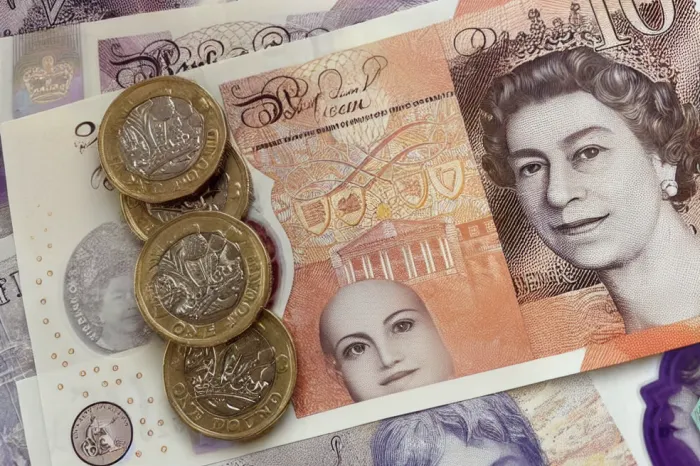
The British Pound (GBP) has shown modest gains against the U.S. Dollar (USD), trading near the 1.3200 level during early European sessions on Friday. This upward movement reflects market responses to political developments in the United Kingdom and recent economic data from the United States, which are influencing expectations around central bank policies and global forex trading dynamics.
In the UK, attention is focused on potential changes within the government’s economic leadership. Andy Burnham is seen as a likely successor to Keir Starmer as Prime Minister, with speculation that current Finance Minister Rachel Reeves may be replaced under a Burnham-led administration. The prospect of former health secretary Wes Streeting stepping into the finance role has been viewed positively by market analysts, lending support to sterling amid ongoing political repositioning.
Meanwhile, U.S. economic indicators have added complexity to forex market movements. The U.S. Bureau of Economic Analysis reported that the Personal Consumption Expenditures (PCE) Price Index rose by 4.1% year-over-year in May, up from 3.3% in April. Core PCE inflation, a key Federal Reserve gauge, increased to 3.4%, reaching its highest point since October 2023 and matching market forecasts. Despite these elevated inflation figures, expectations for future Federal Reserve interest rate hikes have softened slightly, partly due to easing oil prices following a preliminary peace agreement between the U.S. and Iran.
This shift is reflected in the CME FedWatch tool, which now assigns a roughly 29% chance of a rate increase at the Federal Reserve’s July meeting, down from over 34% earlier in the week. For September, the probability of a hike has decreased to about 60%. These adjustments signal a more cautious outlook on U.S. monetary tightening and have contributed to some strengthening of the GBP against the USD.
The Bank of England’s monetary policy remains a central factor for sterling valuation. The BoE targets inflation near 2% and adjusts interest rates accordingly to manage economic growth and price stability. Higher rates tend to attract foreign investment by offering better yields, supporting the pound’s value, while lower rates can weaken it by making UK assets less attractive.
Beyond central bank policies, other economic indicators such as GDP growth, purchasing managers’ indexes for manufacturing and services, and labor market data also influence GBP movements by providing insights into the UK economy’s health. Additionally, trade balances play an important role; a positive balance indicates strong export demand and supports sterling, whereas deficits can pressure the currency downward.
Overall, current forex market trends illustrate how political developments in the UK combined with evolving U.S. inflation data and interest rate expectations are shaping currency valuations. Traders continue to monitor these factors closely as they navigate an environment marked by geopolitical shifts and changing central bank policies.