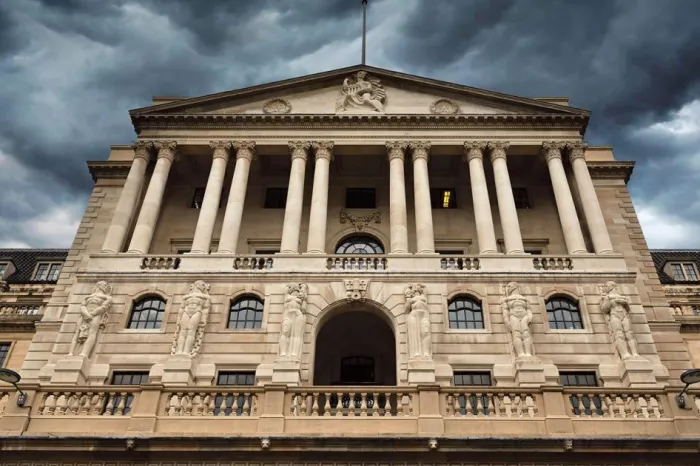
The Bank of England (BoE) has issued a stark warning about the increasing risks that climate change poses to the financial stability of the United Kingdom. In its latest annual climate-related disclosure, the central bank highlighted the dangers stemming from extreme weather events such as flooding, which could trigger an insurance crisis and disrupt financial markets.
According to the BoE’s report, recent analyses show that climate risks are becoming more immediate and could have serious consequences for investors and financial institutions. The report cautions that in a severe but plausible scenario, a rapid revaluation of financial assets—such as government bonds, corporate debt, and equities—to reflect climate risks could lead to market disruptions comparable to past episodes of financial stress.
The central bank also warned that physical climate hazards might reduce access to insurance for households, businesses, banks, and governments. This potential contraction in insurance availability emphasizes the need for investments in resilience measures. For example, programs designed to help homeowners protect their properties from flooding are critical steps toward mitigating these risks.
Sarah John, BoE’s chief operating officer, stressed the importance of integrating climate risk awareness into the bank’s daily operations. She explained that the BoE has strengthened its supervisory expectations for firms managing climate risks, improved assessments of macroeconomic and monetary policy impacts related to climate change, and enhanced its analysis of financial stability risks connected to environmental factors.
The Prudential Regulation Authority (PRA), which supervises banks and insurers in the UK, has tightened rules on climate risk management. These regulations require firms to embed climate considerations into their core risk frameworks and ensure that boards address these issues at the highest level. Although some PRA-supervised institutions have made progress in developing their climate risk capabilities, the BoE noted that overall progress remains uneven and more work is needed to meet regulatory expectations.
Under former governor Mark Carney, the Bank of England was seen as a global leader in addressing climate change within financial regulation. However, since Andrew Bailey took over as governor, there has been a perceived shift away from prioritizing climate and nature-related risks. Some senior staff involved in these issues have resigned, reflecting internal changes. The UK’s position on green central banking has slipped in recent rankings.
Despite these challenges, the current Labour government has reaffirmed climate change as an important objective for central bank policy. Nevertheless, experts observe mixed signals as the government also focuses on reviving economic growth amid ongoing environmental concerns.
The BoE’s annual disclosure underscores the urgent need for all financial firms to enhance their ability to price and manage climate risks effectively. With extreme weather events becoming more frequent and severe, safeguarding financial stability requires coordinated efforts across regulators, firms, and policymakers to prepare for and mitigate climate-related threats.