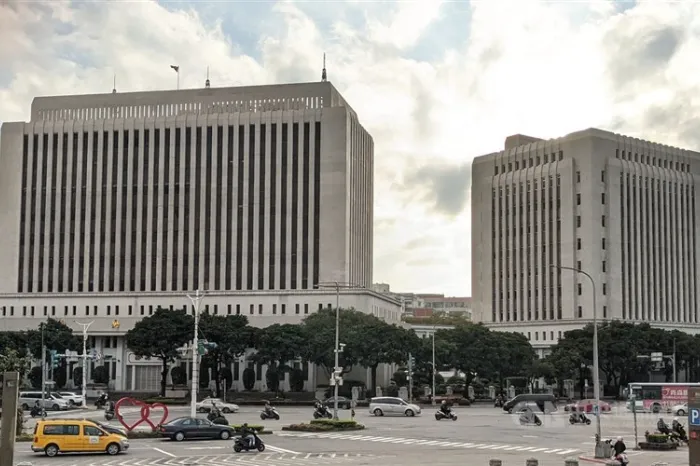
Taiwan’s central bank has actively intervened in the foreign exchange market by selling $12.59 billion during the first quarter of 2026. This decisive action highlights the bank’s commitment to stabilizing the New Taiwan dollar amid ongoing global economic uncertainties and currency fluctuations.
Strategy to Prevent Excessive Currency Appreciation
The central bank’s large-scale forex sales are part of a broader monetary policy aimed at managing exchange rate volatility. By reducing its foreign currency reserves, Taiwan seeks to curb excessive appreciation of the New Taiwan dollar, which could otherwise undermine the competitiveness of its export-driven economy by making Taiwanese goods more expensive on the global stage.
Context of Global Central Bank Interventions
Across the globe, central banks frequently intervene in forex markets when economic stability or growth faces risks. Taiwan’s significant net sales reflect a proactive approach to counter pressures stemming from global trade tensions, shifts in international capital flows, and monetary policy adjustments by major economies. Such interventions align with international practices designed to smooth out abrupt currency swings that might disrupt trade and investment flows.
Supporting Taiwan’s Export Competitiveness
Through careful management of its forex reserves, Taiwan aims to maintain favorable export pricing and protect domestic industries from the negative impacts of currency volatility. Analysts note that the scale and timing of these interventions underscore the challenges export-reliant economies face when navigating turbulent forex markets amid uncertain global conditions.
Economic Implications and Outlook
While these interventions provide short-term relief from currency instability, experts stress the importance of accompanying fiscal and structural reforms to bolster long-term economic resilience. Taiwan’s monetary authorities continue to closely monitor developments in global markets and remain prepared to adjust their strategies as needed to uphold financial stability.
In summary, Taiwan’s robust activity in the forex market during early 2026 represents a deliberate monetary policy effort to safeguard its economic interests within an increasingly complex international environment. Market observers will be keenly watching how these interventions influence currency movements and investor confidence in the coming months.