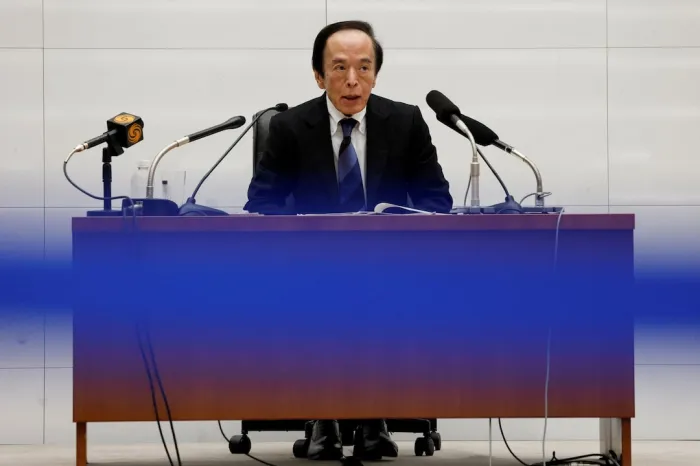
Bank of Japan (BOJ) board member Toichiro Asada, known as the lone dissenter in the BOJ’s June decision to raise interest rates to 1%, has indicated he may support future rate hikes if inflation is clearly driven by stronger demand and rising wages. Asada’s stance highlights a cautious approach within the BOJ as it navigates Japan’s economic recovery amid global uncertainties and domestic inflation pressures.
Asada opposed the June rate increase partly due to concerns over geopolitical risks, particularly in the Middle East, which he believes could cool economic growth and job prospects. He emphasized that for him to back further tightening, inflation must be sustainably supported by endogenous factors such as wage growth and increased consumer demand rather than being primarily a result of higher import costs or firms passing on increased expenses to customers.
Japan’s inflation has hovered near the BOJ’s 2% target for several years, but policymakers remain divided on whether these price rises reflect healthy economic expansion or are mainly cost-driven. Asada’s view that wage and demand growth are essential prerequisites for raising rates suggests a data-driven approach to monetary policy rather than following a predetermined tightening schedule.
He also pointed out that Japan’s neutral interest rate—the rate that neither stimulates nor restricts economic activity—is estimated by BOJ staff to lie between roughly 1.1% and 2.5%. Given this, Asada believes the BOJ should proceed cautiously with further hikes. The central bank has been tapering its bond purchases since 2024 but paused further reductions starting from the next fiscal year. This pause is seen as an effort to avoid sharp rises in government bond yields, which could negatively impact investment.
Asada stressed the importance of closely coordinating fiscal and monetary policies, noting that monetary policy alone cannot fully address weak demand or supply constraints such as labor shortages and rising material costs. He called for careful monitoring of wage data and consumer spending as key indicators that will influence future rate decisions.
The BOJ’s balance sheet remains substantial, with holdings of Japanese government bonds around 80% of Japan’s annual GDP. Asada suggested that future discussions should focus on how much this ratio should decline before the balance sheet size grows more in line with nominal GDP growth.
Market participants are paying close attention to Asada’s comments, as his conditional support ties the timing and extent of future rate hikes to tangible improvements in wage growth and domestic demand. This approach may temper expectations for aggressive tightening unless those economic indicators strengthen significantly.
Overall, Asada’s position reflects a measured path forward for the BOJ, balancing inflation control with support for economic growth amid uncertain global conditions and domestic challenges.