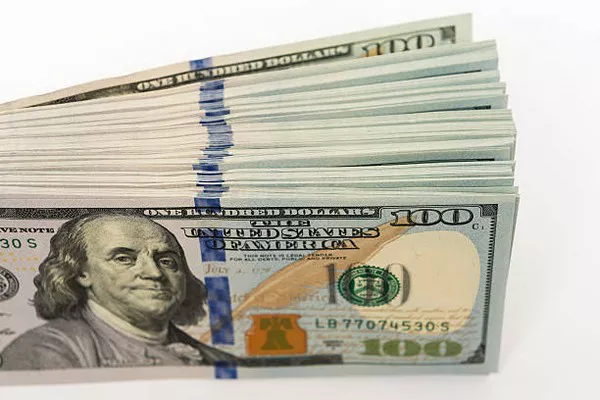
The U.S. dollar surged to a six-month high against a basket of major currencies on June 30, 2025, as stronger-than-expected inflation data fueled speculation that the Federal Reserve may delay or reduce the number of anticipated interest rate cuts this year. The dollar index (DXY), which measures the greenback against six peers including the euro, yen, and pound, climbed 0.8% to 106.42, its highest level since late December 2024. The rally was triggered by the latest Personal Consumption Expenditures (PCE) price index, the Fed’s preferred inflation gauge, which rose 0.3% month-over-month and 2.7% annually—exceeding economists’ forecasts of 0.2% and 2.6%, respectively.
Market participants had largely priced in two rate cuts by the Fed in 2025, with the first expected as early as September. However, the stubborn inflation readings have cast doubt on the central bank’s ability to ease monetary policy without risking a resurgence in price pressures. Fed Chair Jerome Powell, speaking at the European Central Bank’s annual forum in Sintra, Portugal, acknowledged the challenges, stating that while progress has been made in taming inflation, the path to the 2% target remains uncertain. “We need more evidence that inflation is sustainably moving toward our goal before we can consider lowering rates,” Powell said. His remarks were interpreted as a hawkish signal, further bolstering the USD.
The dollar’s strength was most pronounced against the Japanese yen, with the USD/JPY pair breaching the 162 level for the first time since 1986. The yen’s continued depreciation has raised concerns about potential intervention by Japanese authorities. Finance Minister Shunichi Suzuki reiterated warnings that the government is prepared to act against excessive currency moves, but markets remain skeptical given the wide interest rate differential between the U.S. and Japan. The Bank of Japan has maintained ultra-loose monetary policy despite modest rate hikes earlier this year, leaving the yen vulnerable to further declines.
In Europe, the euro fell 0.6% to $1.0620, its weakest since mid-May, as political uncertainty in France continued to weigh on investor sentiment. The first round of parliamentary elections is set for June 30, with polls suggesting gains for far-right and left-wing parties, raising fears of fiscal instability. The European Central Bank, which cut rates in June, faces a delicate balancing act as inflation in the eurozone also shows signs of stickiness. ECB President Christine Lagarde emphasized data dependency in future decisions, but the widening policy gap with the Fed has pressured the euro.
Meanwhile, emerging market currencies bore the brunt of the dollar’s rally. The Mexican peso slid 1.2%, while the South African rand and Brazilian real each lost over 1.5%. Analysts warn that prolonged USD strength could strain economies with high dollar-denominated debt, particularly in Latin America and Africa. “A stronger dollar tightens financial conditions globally, making it harder for emerging markets to service debt and attract capital,” said Jane Collins, chief strategist at Greenwich Capital.
Commodity prices also felt the impact, with gold dropping 1.3% to $2,280 per ounce and oil prices retreating amid demand concerns. Brent crude fell 0.9% to $84.20 a barrel, despite ongoing geopolitical tensions in the Middle East. A stronger dollar typically makes commodities more expensive for holders of other currencies, dampening demand.
Looking ahead, traders will closely monitor the June U.S. jobs report due July 5, which could provide further clues on the Fed’s next move. A robust labor market may reinforce the case for keeping rates higher for longer, while weaker data could revive hopes of a September cut. For now, the dollar’s dominance shows no signs of waning, as investors flock to the safety and yield appeal of USD assets in an uncertain global economic landscape.
The USD’s resurgence underscores the challenges facing central banks worldwide as they navigate divergent growth and inflation trajectories. While the Fed’s cautious stance has fortified the greenback, it also raises questions about the potential spillover effects on global trade and financial stability. As markets adjust to the new reality, the dollar’s trajectory will remain a key barometer of shifting monetary policy expectations and broader economic trends.