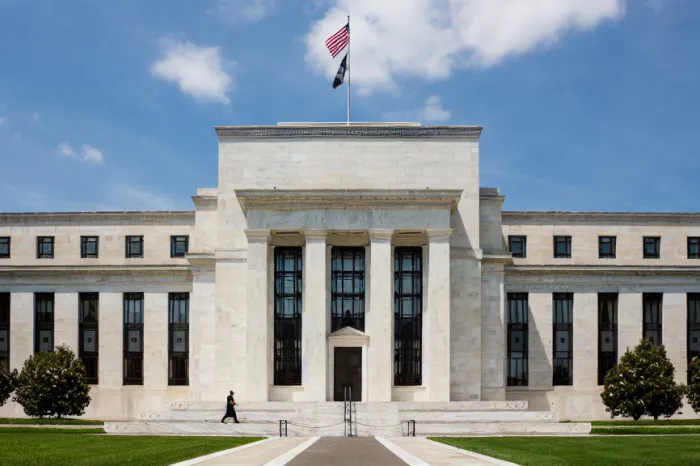
On April 29, 2026, Jerome Powell chaired his final meeting as the head of the Federal Reserve, concluding an eight-year tenure marked by unprecedented economic challenges, including a global pandemic and persistent inflation. His term officially ends in mid-May, after which Kevin Warsh is expected to take over as the new Fed chair. Powell’s last meeting highlighted significant internal divisions within the Federal Open Market Committee (FOMC), with four members dissenting against the decision to keep interest rates steady. This level of disagreement has not been seen since 1992 and signals a shift toward more open debate in Fed policymaking.
The dissenting members expressed concerns about language in the policy statement that hinted at possible future rate cuts. While one member voted for an immediate rate reduction, three others opposed any suggestion of easing, reflecting a cautious approach amid ongoing inflation pressures and uncertain economic conditions. Inflation remains stubbornly above the Fed’s target, fueled in part by rising energy prices linked to ongoing geopolitical conflicts in the Middle East. These factors complicate the Fed’s ability to reduce rates in the near term.
Powell has announced his intention to remain on the Fed’s Board of Governors until his term expires in 2028, a rare move for a former chair. His decision aims to protect the Federal Reserve’s independence amid political pressures from the Trump administration, which has criticized Powell’s leadership and sought to influence monetary policy. Despite staying on, Powell has committed to a low profile and emphasized he will not act as a “shadow chair” or interfere with Warsh’s leadership.
Kevin Warsh, nominated by President Trump and currently awaiting Senate confirmation, has openly called for greater debate within the FOMC, describing “messier meetings” as beneficial for policy decisions. His arrival may usher in a new era of more vocal disagreements among committee members. Observers note that Warsh will face considerable challenges persuading a board that remains wary of premature rate cuts amid sustained inflation and a resilient labor market.
The unusual situation of having both a sitting and former Fed chair simultaneously involved in policy discussions is unprecedented in nearly 80 years. While experts anticipate professional cooperation between Powell and Warsh, underlying tensions could persist given differing views on monetary policy and political influences. The Fed must navigate these complexities while managing market expectations and economic uncertainties driven by external factors such as energy market instability.
As Powell steps down from his leadership role but stays on as governor, the Federal Reserve faces a pivotal moment of transition. The evolving dynamics within the FOMC could introduce more volatility into monetary policy decisions at a time when clear guidance is crucial for markets. Meanwhile, geopolitical risks and inflationary pressures continue to challenge the central bank’s efforts to stabilize prices without hindering economic growth.