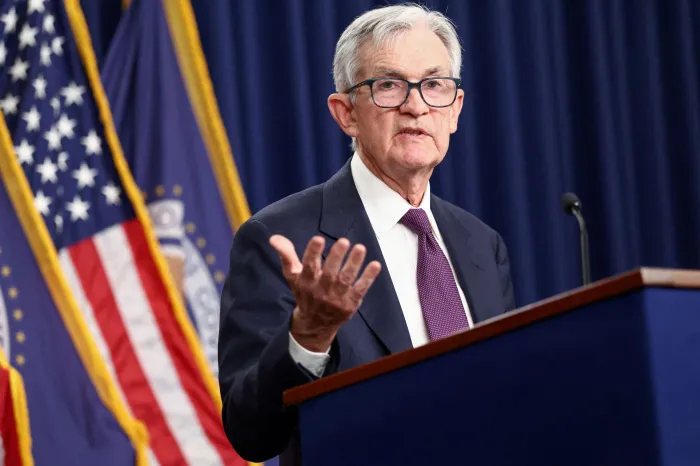
The Federal Reserve is currently navigating a complex landscape marked by internal disagreements over monetary policy direction, geopolitical tensions, and leadership transitions. At its latest meeting, the Fed decided to hold interest rates steady for the third time in a row but sparked controversy by including language that suggests the possibility of future rate cuts. This wording has caused significant concern among several Fed officials who argue that it may mislead markets and harm the U.S. economy.
Fed presidents Lorie Logan of Dallas, Beth Hammack of Cleveland, and Neel Kashkari of Minneapolis dissented against the statement’s easing bias. They contend that given recent developments—especially the ongoing conflict between the U.S., Israel, and Iran—the economic outlook has shifted dramatically. The war has driven oil prices above $100 per barrel for weeks, pushing gas prices higher and fueling inflationary pressures. These officials argue that the Fed should not signal a leaning toward rate cuts at this time and must remain open to raising rates if necessary.
Kashkari warned that if the Strait of Hormuz remains closed or if further damage occurs to Middle Eastern energy infrastructure, inflation could spike further, requiring a series of interest rate hikes despite risks to employment. Hammack emphasized that the current “easing bias” is outdated given the stable labor market and inflation challenges. Logan echoed these concerns, noting that future rate moves could go either way depending on evolving economic conditions.
Meanwhile, the Fed’s leadership is undergoing a significant change. Kevin Warsh, President Donald Trump’s nominee to succeed Jerome Powell as Fed Chair, is expected to be confirmed soon. Warsh’s approach may favor lower rates, reflecting Trump’s long-standing calls for rate cuts to stimulate growth. However, Warsh faces resistance from other Fed members who remain cautious about easing monetary policy amid high inflation and global uncertainty.
Jerome Powell announced he will stay on as a Federal Reserve board member after his chairmanship ends in mid-May. This rare decision has drawn criticism from Trump allies who see it as undermining Warsh’s incoming leadership. Powell plans to remain until investigations into his handling of certain Fed matters conclude. His continued presence could complicate efforts by Warsh to shift policy toward rate reductions.
Market reactions highlight this uncertainty. Traders are hedging bets on both potential interest rate hikes and cuts over the next year, reflecting divided views within the Fed and broader economic concerns. Inflation remains above the Fed’s 2% target, driven by supply shocks linked to the Middle East conflict and rising energy prices. The personal consumption expenditures price index rose to 3.5% in March, intensifying doubts about near-term rate cuts.
In this challenging environment, the Federal Reserve must balance maintaining price stability with supporting maximum employment while managing geopolitical risks. The upcoming months will test how effectively new leadership can navigate these pressures amid internal divisions and external shocks.