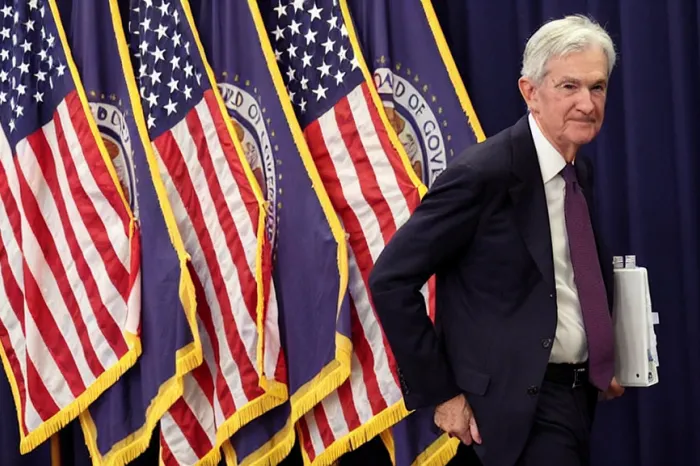
Jerome Powell’s eight-year tenure as chair of the Federal Reserve has been marked by some of the most turbulent and transformative periods in recent economic history. Taking office in 2018, Powell guided the Fed through a series of unprecedented challenges, including a severe market volatility event early in his term, the global COVID-19 pandemic, the worst inflation surge in four decades, aggressive interest rate hikes, and a regional banking crisis. Despite these upheavals, markets delivered strong gains across multiple asset classes during his leadership.
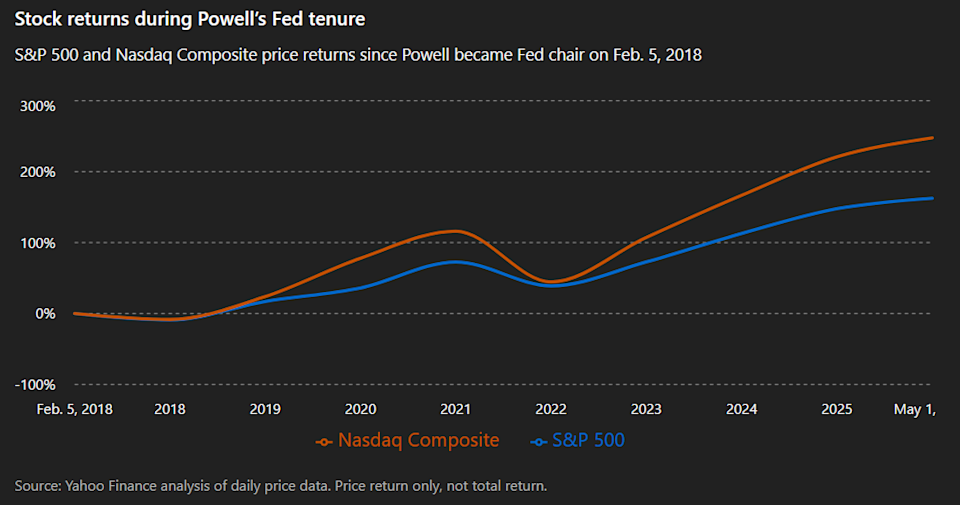
Powell’s approach initially drew criticism for underestimating inflation risks, calling price increases “transitory” well into 2021. However, by 2022, the Fed pivoted sharply, enacting the fastest rate-hike cycle seen in decades to combat soaring inflation. This move triggered a bear market in stocks and significant selloffs in bonds. Nevertheless, broad market indices like the S&P 500 and Nasdaq Composite posted impressive total returns of approximately 14.7% annualized and gains of 160% and 250% respectively over Powell’s chairmanship.
As Powell prepares to step down as chair by mid-May 2026, Kevin Warsh has emerged as the leading nominee to take over the helm of the Fed. Warsh’s nomination has passed the Senate Banking Committee and is awaiting full Senate confirmation. Unlike Powell, who plans to remain on the Federal Open Market Committee as a governor after his chairmanship ends, Warsh signals a potential shift in policy direction that could reshape how the Fed manages its dual mandate of promoting maximum employment and stable prices.
A key area of divergence between Warsh and Powell lies in their views on the Fed’s balance sheet management. Powell’s tenure saw an expansion of the balance sheet to include over $6 trillion in government bonds and mortgage-backed securities aimed at influencing long-term interest rates. Warsh criticizes this approach, suggesting that maintaining such a large balance sheet has complicated efforts to achieve the Fed’s goals. He advocates for reducing these holdings, which could lead to higher long-term interest rates and significant market adjustments.
Such changes may impact asset prices broadly. Higher long-term rates typically lower valuations for growth stocks by increasing discount rates on future earnings. This shift could pressure major stock indices like the S&P 500 and Nasdaq Composite while raising borrowing costs for consumers and businesses alike. However, Warsh believes that if long-term rates rise sufficiently, it could allow the Fed to lower short-term rates without fueling inflationary pressures.
The transition promises an era of policy recalibration amid ongoing economic uncertainties. While Powell’s leadership was characterized by navigating crises with flexible monetary tools and fostering cross-asset rallies fueled by diverse market drivers such as fiscal stimulus, technological innovation, and shifting investor preferences, Warsh appears ready to challenge some established strategies.
As these developments unfold, investors are advised to prepare for potential volatility driven by changes in interest rate policies and balance sheet adjustments under Warsh’s stewardship. The interplay between Powell’s continued influence on monetary policy as a governor and Warsh’s fresh approach as chair will be closely watched by markets worldwide.