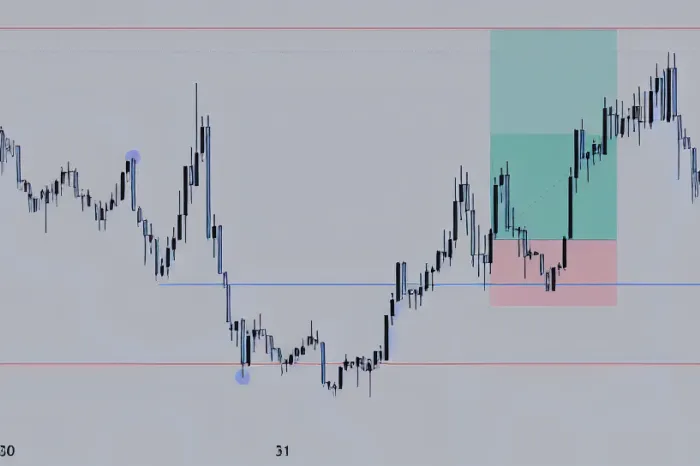
The USD/CAD currency pair is encountering resistance as it nears a critical technical level, influenced by a recent decline in oil prices alongside strong Canadian economic data. Oil prices have plunged nearly 8%, primarily driven by reports indicating that the United States and Iran are moving closer to a diplomatic agreement. This drop has softened the U.S. dollar, since lower oil prices tend to reduce demand for safe-haven assets like the American currency.
Despite the U.S. dollar’s weakness, USD/CAD has climbed toward the resistance zone between 1.3620 and 1.3635. Should the pair break through this barrier, it could aim for the next resistance range around 1.3700 to 1.3715. This movement is somewhat unusual because commodity-linked currencies such as the Canadian dollar typically benefit from rising oil prices, yet here, robust Canadian economic data is bolstering the loonie amid falling crude prices.
Canada’s Ivey Purchasing Managers Index (PMI) for April surged impressively to 57.7, well above expectations of 49.9 and significantly higher than the neutral 50 mark that separates contraction from expansion. This strong PMI reading signals growth in Canada’s manufacturing sector, reinforcing confidence in the Canadian dollar despite global uncertainties.
On the U.S. side, labor market figures revealed that private sector employment increased by 109,000 jobs in April, exceeding forecasts of 99,000 jobs. Normally, such a positive employment report would lend support to the U.S. dollar; however, its impact has been muted by the sharp drop in oil prices and reduced demand for safe-haven currencies.
Other major currencies have also reacted to these shifts. The euro strengthened against the dollar as EUR/USD reached new highs, benefiting from lower oil prices which ease pressure on European energy costs. Conversely, GBP/USD slipped back after failing to surpass key resistance levels, reflecting a broader softening in the U.S. dollar.
In Asia, the Japanese yen gained support following intervention by the Bank of Japan aimed at stabilizing USD/JPY after it neared critical highs close to 158.00 yen per dollar. The yen’s underlying weakness has prompted repeated central bank efforts to prevent further depreciation.
In summary, USD/CAD’s near-term direction is shaped by a complex balance between falling oil prices and strong Canadian economic indicators. Market participants will be closely watching whether USD/CAD can break through current resistance levels and how ongoing developments in global oil diplomacy might sway investor sentiment moving forward.