
 Anna
Anna 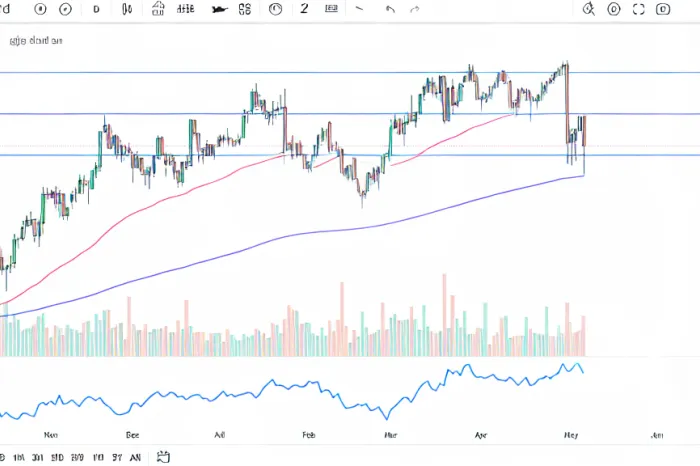
The Japanese yen has recently surged to a 10-week high, climbing as much as 1.8% in minutes during Asian trading on May 6, 2026. The USD/JPY currency pair briefly fell below the 155.04 level, marking a significant shift after weeks of fluctuations. This sharp rise follows a series of large-scale market interventions by Japanese authorities, aimed at defending the yen near the psychologically important 160 mark against the US dollar.
Japan’s government and the Bank of Japan have reportedly conducted massive foreign exchange operations totaling over $64 billion. The initial intervention on April 30 involved spending approximately $34.5 billion to buy yen, followed by another $30 billion in subsequent efforts. These actions demonstrate Tokyo’s strong commitment to curbing excessive yen weakness and stabilizing the currency amid ongoing market pressures.
Despite these interventions, the yen’s rally has encountered a major resistance level around 155 against the US dollar. Although the currency has spiked sharply several times, it has struggled to maintain gains below this threshold as renewed dollar buying pushes prices back up. This technical barrier highlights the challenges faced by officials trying to sustain yen strength when underlying factors such as interest rate differentials and persistent US dollar demand continue to weigh heavily.
Market analysts suggest that while interventions provide temporary support and cause volatility spikes, lasting appreciation of the yen beyond this resistance will likely require stronger catalysts. These may include faster interest rate hikes by the Bank of Japan or a broader weakening of the US dollar driven by economic or geopolitical shifts. Some experts remain cautious, noting that repeated interventions alone are unlikely to reverse the broader trend of yen depreciation.
In parallel, recent geopolitical developments and changes in interest rates have also influenced USD/JPY trading dynamics. A brief decline in US rates led to a notable drop in USD/JPY on May 6, testing key moving averages such as the 200-day EMA. However, despite this pullback, many traders remain optimistic about long-term upside potential given the still large rate advantage held by the US compared to Japan.
Analysts highlight that the USD/JPY pair is caught between technical resistance and fundamental pressures. The pair’s inability to decisively break below resistance near 155 suggests ongoing volatility and range-bound trading in the near term. Yet, if major levels like 160 are breached, it could signal a more sustained move higher for years ahead.
Looking forward, consensus forecasts expect USD/JPY to settle between 146 and 150 by the end of 2026, implying moderate yen appreciation from current levels. The outlook depends heavily on factors including Japan’s inflation trends, global geopolitical risks, US fiscal policies, and potential shifts in monetary policy from both countries’ central banks. Investors are advised to monitor upcoming meetings of the Bank of Japan and other key institutions closely for signals on future intervention or policy changes.
Overall, Japan’s aggressive intervention strategy underscores its unwillingness to tolerate extreme yen weakness amid challenging global market conditions. While short-term price spikes have been notable, sustained strengthening will require coordinated efforts beyond currency market operations alone.
