
The European Central Bank (ECB) is at a crossroads regarding its interest rate policy as rising oil prices driven by the ongoing conflict in Iran threaten to push inflation higher across the eurozone. ECB officials have expressed differing views on whether a rate hike in June is necessary, reflecting the complex economic landscape shaped by geopolitical tensions and sluggish economic growth.
Philip Lane, the ECB’s chief economist, highlighted that the surge in oil prices due to the Iran war could force the central bank to increase interest rates. Lane emphasized that higher fuel costs risk spreading into wages and overall inflation expectations, which would require a firm response from the ECB. He suggested that while a moderate and temporary overshoot in inflation might call for a measured adjustment, a more persistent rise would demand a stronger and sustained policy reaction.
Other members of the ECB Governing Council echoed these concerns. Martins Kazaks from Latvia warned that if rising crude prices begin to affect inflation expectations significantly, an interest rate increase will become unavoidable. Similarly, Yannis Stournaras of Greece pointed out that sustained high oil prices could compel the ECB to hike borrowing costs, placing the current scenario between moderate and severe inflation risks.
Despite these warnings, some officials advocate caution. Recent economic data reveal a mixed picture: while inflation has accelerated to around 3%, economic growth remains weak with signs of stagflation starting to emerge. Finnish central bank chief Olli Rehn noted these early stagflation signals and stressed the importance of careful monitoring. Vice President Luis de Guindos also urged prudence, highlighting that the impact of rising rates on already fragile growth could become more visible in the coming weeks.
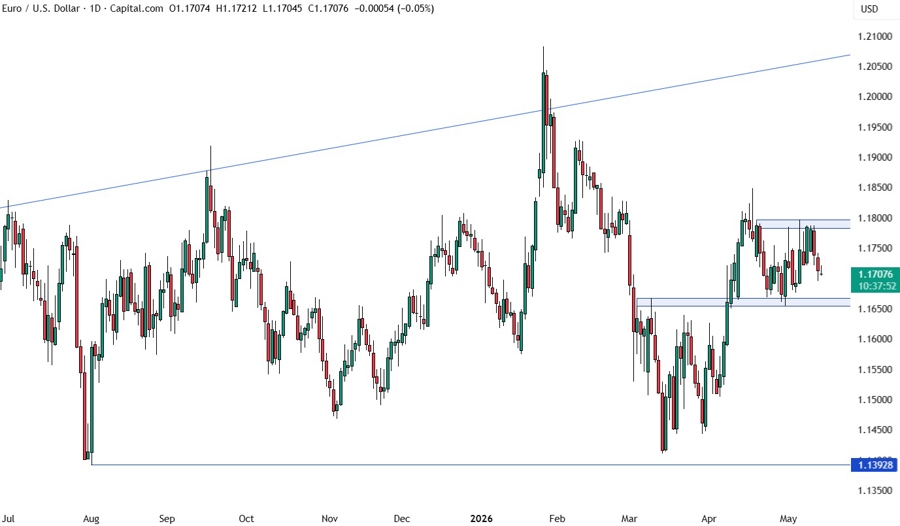
The market currently prices in an 87% chance of a rate hike in June, with expectations of nearly three hikes by year-end. However, this outlook faces challenges as policymakers grapple with uncertainties surrounding the Middle East conflict and its effects on energy prices. Some analysts suggest that the ECB may opt for a single “insurance” hike in June and then pause to assess further developments over the summer months.
Christine Lagarde’s recent remarks reflect this cautious stance. While she previously indicated that rate increases were directionally certain, she now acknowledges the difficulty of balancing timely action against premature tightening. The ECB must avoid both reacting too quickly, which risks stalling growth, and acting too late, which could allow inflation to become entrenched.
In summary, the ECB’s path forward is clouded by geopolitical uncertainty and economic fragility. The institution faces a delicate decision: raise rates promptly to contain inflation pressures fueled by soaring oil prices or hold steady to support an economy showing signs of stagnation. The coming weeks will be critical as new data emerge and developments in the Middle East unfold, shaping whether June will mark the start of a tightening cycle or a period of cautious observation.