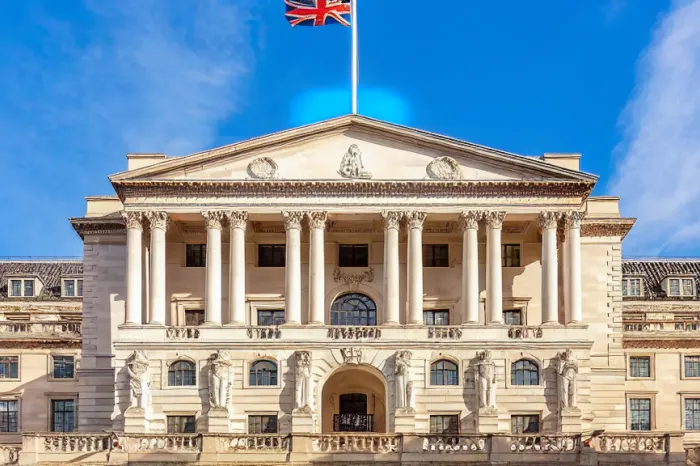
The Bank of England (BOE) is reconsidering its initial stablecoin regulations after receiving feedback from the digital asset industry that the proposed rules could hinder the United Kingdom’s competitiveness in the growing digital economy. Deputy Governor for Financial Stability Sarah Breeden indicated that some of the original proposals may have been too strict and are now under review to better balance financial stability with innovation.
Originally, the BOE suggested limiting individual holdings of any single stablecoin to £20,000. This cap was intended as a temporary measure to manage financial risks related to stablecoins, which are cryptocurrencies pegged to traditional assets like fiat currencies. However, the proposed limit raised concerns among industry participants who argued it could restrict usage and growth as stablecoins become more integrated into payments and financial services.
In addition to the holding limits, the BOE planned to require stablecoin issuers to keep at least 40% of their reserve assets deposited with the central bank without earning interest. The remaining reserves would need to be invested in short-term UK government debt. This reserve structure was designed to ensure stability but drew criticism for being more restrictive than frameworks in other countries such as the United States. Industry leaders pointed out that forcing issuers to hold a large portion of non-interest-bearing assets would reduce their revenue potential and make stablecoin issuance less attractive in the UK market.
Breeden acknowledged operational challenges with the initial framework and expressed openness to exploring alternative approaches that still achieve the BOE’s risk management goals without unnecessarily limiting innovation. She emphasized that the central bank is carefully examining different ways to address important risks while maintaining a competitive environment for digital finance.
This reassessment by the BOE occurs amid a global push by various countries to develop formal rules for digital assets and stablecoins. Lawmakers and regulators worldwide are debating how best to foster innovation while protecting financial systems and consumers. The UK’s willingness to adjust its proposals reflects a broader recognition of the need to support emerging technologies in a way that encourages growth rather than stifles it.
Industry representatives welcomed the BOE’s signals of flexibility. Katie Haries, head of policy for Europe at Coinbase, commented that capping stablecoin holdings limits innovation and poses risks to the UK’s position in digital finance. The ongoing dialogue highlights how regulators are trying to find a balance between safeguarding financial stability and promoting a dynamic, competitive digital economy.
As discussions continue, market participants will be watching closely how the Bank of England finalizes its stablecoin framework. The outcome could influence not only the UK’s role in the global digital asset landscape but also set precedents for regulatory approaches elsewhere. The BOE has yet to issue an official update following these reports, indicating that further consultations and refinements are likely before new rules are implemented.