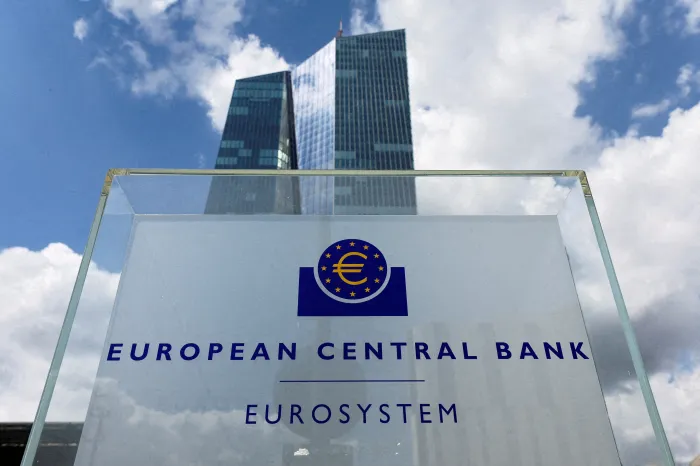
The European Central Bank (ECB) has issued an updated guide to help banks better manage risks related to climate change and nature degradation. This new compendium aims to support financial institutions in improving their risk assessment and stress testing practices, particularly in areas that remain challenging such as nature-related risks, physical risks from climate impacts, and transition planning.
Frank Elderson, a member of the ECB’s Executive Board and Vice-Chair of its Supervisory Board, emphasized in a recent blog post that while banks have made progress in managing climate and nature-related risks, significant gaps persist. He pointed out that the ability to measure physical and nature-related risks is still underdeveloped, which likely leads to an underestimation of these threats.
The release of this guide comes after the ECB announced earlier in the year that it would intensify efforts to incorporate climate and nature risks into its supervisory activities. The ECB highlighted several priority areas including assessing banks’ plans for transitioning to a greener economy and analyzing how they cope with the increasing physical impacts of climate change. The bank warned that the financial and economic consequences of climate change and ecosystem degradation are growing steadily.
Elderson further warned about the risks of an unplanned or disorderly transition to a low-carbon economy, which could increase uncertainty. He stressed the importance for banks to be resilient and prepared for a variety of scenarios involving rapid or severe transition and physical risks. The updated compendium draws on good practices from over 60 institutions, focusing on areas where banks often face difficulties such as quantifying physical risks, scenario analysis, prudential transition planning, and addressing nature-related risks.
Among key practices highlighted are strategies to support companies in sectors that are hard to decarbonize. Instead of severing ties with these clients, banks are encouraged to develop transition finance products that facilitate shifts toward low-carbon technologies. Active engagement with clients exposed to high physical risks is also recommended rather than simply imposing higher prices or withdrawing support. Furthermore, banks may tolerate short-term low margins or offer pricing incentives for emerging transition technologies that have not yet reached profitability.
The guide dedicates significant attention to nature-related risks, which are still considered nascent in risk management frameworks. Good practices include proactive client engagement involving data collection and offering advisory services related to nature risks. Integrating these risks into internal capital adequacy assessments and utilizing publicly available tools to move from qualitative to quantitative risk evaluations are also emphasized.
Elderson concluded by recognizing the strides made by euro area banks in strengthening their resilience against climate and nature-related risks but stressed that much work remains. The ECB’s updated compendium provides a practical toolkit for banks to address existing gaps, navigate evolving challenges, and seize opportunities presented by the green transition.