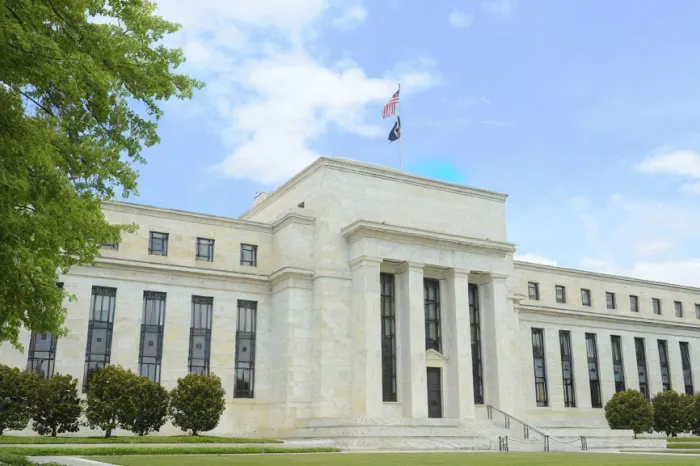
The U.S. Supreme Court is set to rule on a significant case, Trump v. Cook, which could determine whether the Federal Reserve remains independent from presidential control. This decision comes at a time when the Court has shown a tendency to limit administrative discretion, raising concerns about the potential consequences if the Fed’s control shifts toward the executive branch.
Legal experts emphasize that the Federal Reserve’s power is deeply rooted in the authority to create money, a power historically reserved for Congress. According to Christine Desan, Leo Gottlieb Professor of Law, this legislative power to make money is fundamental and reflects a hard-won democratic sovereignty established by the framers of the Constitution. She argues that this authority ensures Congress controls how money is made and used, preventing any single branch—particularly the executive—from directing resources independently.
The debate around the Fed’s independence is complicated by contrasting views on separation of powers. Some supporters of the unitary executive theory argue for greater presidential control over federal agencies, yet the Federal Reserve is often treated as an exception. Desan points out that this exception lacks a clear legal rationale and that the Fed’s unique status should be understood through its legislative origins rather than abstract theories of executive power.
Historically, cases such as McCulloch v. Maryland and several post-Civil War decisions have reinforced Congress’s authority over money creation and public credit. More recent rulings during economic crises, like the gold clause cases during the Great Depression, further affirmed Congress’s exclusive role in defining and regulating the monetary system. These precedents highlight how legislative prerogatives protect lawmaking authority by controlling money supply and fiscal policy.
Desan also warns against oversimplifying the Fed’s status as “different” without explaining why. The Supreme Court has referred to the Fed as a “uniquely structured” institution but has not clearly defined what makes it distinct from other government agencies or why it should be immune from executive influence. This ambiguity leaves open questions about constitutional principles and risks undermining democratic checks and balances.
Beyond money creation, Desan identifies other legislative prerogatives critical to maintaining Congress’s power, such as its authority to gather information from executive agencies. Recent efforts by administrations to restructure or eliminate information-gathering offices could threaten these prerogatives by disrupting professional standards and congressional oversight.
The outcome of Trump v. Cook could reshape how America’s central bank operates within the government framework. If the Court protects the Fed’s independence based on its legislative foundation, it would reinforce long-standing constitutional principles of separation of powers. However, if it allows increased executive control, it could jeopardize not only monetary policy but also democratic governance by enabling unchecked influence over government spending and resource allocation.
Experts caution that losing Fed independence might lead to political interference in monetary policy, potentially causing inflation and destabilizing markets. More importantly, it could allow those without political accountability to direct public funds in ways that undermine democratic institutions. The Supreme Court’s ruling will therefore have far-reaching implications for both economic stability and constitutional governance in the United States.