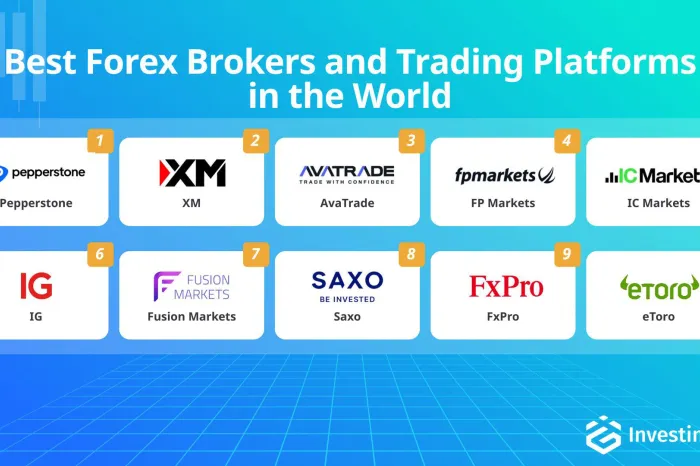
Trading in the United States offers investors access to some of the largest and most liquid financial markets worldwide, including the New York Stock Exchange (NYSE) and Nasdaq. In 2026, trading across various asset classes such as stocks, ETFs, forex, options, commodities, and cryptocurrencies has become increasingly accessible due to commission-free apps, low minimum deposits, and beginner-friendly platforms. This article provides a detailed guide for traders looking to navigate the US market effectively, focusing on forex brokers and trading essentials.
To start trading in the US, investors must open an account with a regulated broker. These brokers are overseen by authorities like the Securities and Exchange Commission (SEC) and the Financial Industry Regulatory Authority (FINRA), ensuring a safe trading environment. Choosing the right broker is crucial; factors such as fees, available assets, platform usability, educational resources, and mobile app quality should be carefully considered. Popular platforms such as eToro offer commission-free stock and ETF trading along with demo accounts for practice.
Forex trading remains a popular choice among US investors seeking exposure to currency pairs like EUR/USD and GBP/USD. Unlike stock trading that operates during specific hours, forex markets run 24 hours a day for five days a week, providing flexibility for different trading styles. Whether you are a day trader focused on rapid price movements or a swing trader holding positions for several days, selecting a broker that supports forex trading with competitive spreads and robust risk management tools is vital.
Opening and verifying an account with a US-based broker typically involves online registration followed by identity verification to comply with Know Your Customer (KYC) regulations. Verification processes may take from minutes to several days depending on the broker and document accuracy. Once verified, funding the account can be done via multiple methods such as ACH bank transfers, wire transfers, debit cards, or e-wallets. Minimum deposits vary but often start around $100.
Effective risk management is essential in trading due to inherent market risks and volatility. Traders should utilize tools like stop-loss orders to limit potential losses and avoid overleveraging their accounts. Diversifying investments across asset classes such as stocks, commodities, ETFs, and forex can help reduce exposure to market fluctuations. Additionally, maintaining discipline by controlling position sizes and avoiding emotional decision-making improves long-term success.
US financial markets benefit from strong regulatory protections that safeguard investors’ interests. The SEC supervises securities markets while FINRA oversees broker-dealers. Moreover, brokerage accounts are protected up to $500,000 by the Securities Investor Protection Corporation (SIPC), though this does not cover losses from market downturns. Investors should remain vigilant against scams by verifying broker registrations through official databases and avoiding offers promising guaranteed profits.
Trading profits in the US are subject to taxation based on asset type and holding periods. Capital gains taxes apply differently to short-term and long-term holdings. Brokers provide tax documents such as Form 1099-B to facilitate reporting. Due to tax complexities especially for active traders dealing with options or futures, consulting tax professionals is advisable.
In summary, trading in the US market offers numerous opportunities due to its liquidity, regulatory oversight, advanced technology platforms, and broad asset availability. Forex brokers play a critical role in providing access to currency markets alongside other investment options. However, traders must approach the market with clear strategies, proper risk management techniques, and continuous education to navigate volatility successfully.