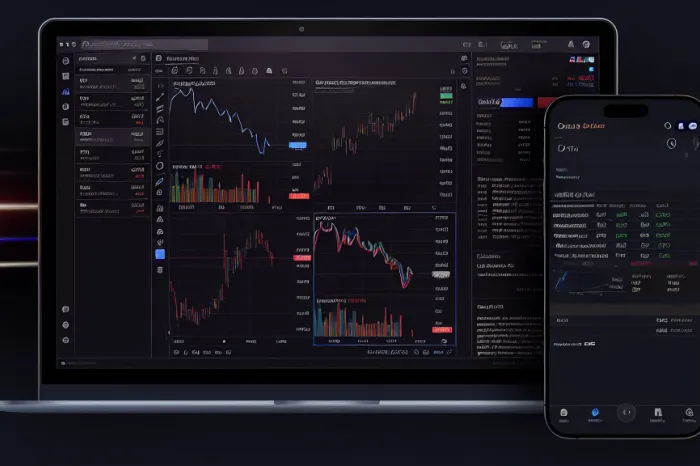
The forex brokerage industry continues to evolve rapidly in 2026, with firms introducing innovative technologies and competitive features aimed at improving trader experience and operational efficiency. Recent developments highlight how brokers are integrating sophisticated CRM systems, advanced trading platforms, and ultra-low spreads to meet the growing demands of retail and professional traders worldwide.
Neptune AI Technology Limited recently announced a significant integration of its Neptune Forex CRM with Brokeree Solutions’ Social Trading and PAMM platforms. This collaboration enables brokers to manage client operations seamlessly while offering copy trading and money management services within a unified system. Neptune Forex CRM supports multi-currency, multi-language, and multi-region functionalities, compatible with popular trading platforms like MetaTrader 4, MetaTrader 5, and Vertex. The automation of onboarding tasks such as KYC verification and account approvals is designed to reduce delays and streamline client activation processes.
Brokers leveraging this integrated ecosystem can now launch investment services that allow traders to follow successful strategies through copy trading or manage funds collectively using PAMM accounts. Brokeree’s systems also feature interactive widgets displaying trader statistics, aiding clients in selecting strategy providers more effectively. Industry experts note that this integration addresses the increasing need for connected technologies that simplify broker workflows and accelerate service deployment.
In Asia, leading brokers such as CMC Markets, IG, and Saxo Bank continue to push technological boundaries by offering highly advanced proprietary platforms. CMC Markets’ Next Generation platform provides automated chart pattern recognition, institutional-grade data feeds, and real-time client sentiment analysis. IG enhances retail trading by integrating ProRealTime’s algorithmic charting software alongside Direct Market Access (DMA), granting traders institutional-level execution speeds and transparent market depth.
Saxo Bank stands out with its cross-asset convergence platform, allowing clients to trade over 70,000 assets from a single account. Its SaxoTraderPRO desktop application rivals institutional terminals by combining complex macroeconomic data with extensive market analytics. This level of integration offers traders the ability to manage diversified portfolios involving physical shares, CFDs, bonds, and options within one interface.
Another notable innovation comes from TabTrade, which offers an Edge account featuring some of the lowest average spreads in the industry on major currency pairs. According to independent data from Datalyst, TabTrade’s Edge account averages just 0.04 pips on majors during active trading hours, with spreads tightening to zero pips during peak European sessions. The broker supports raw spreads starting at 0.0 pips combined with a flat commission structure and ultra-fast order execution through Equinix LD5 data centers.
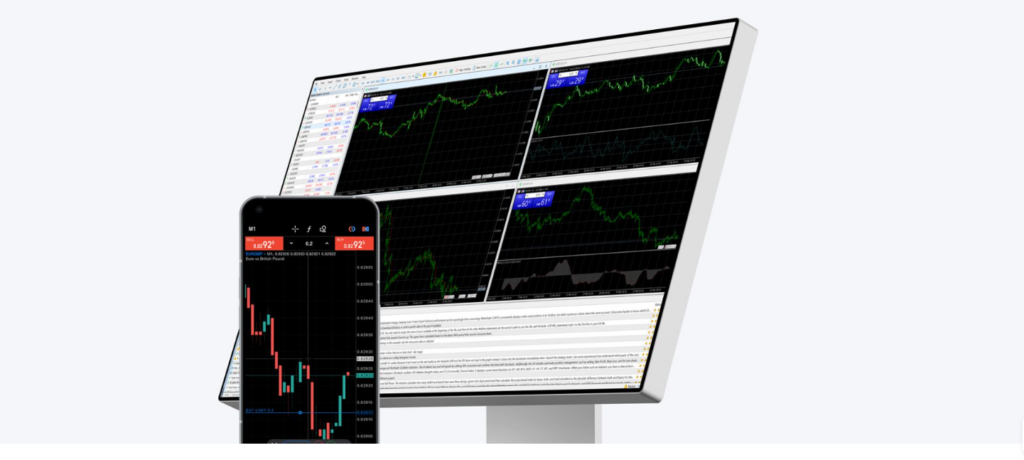
Meanwhile, Trading Sphere focuses on providing established trading platforms like MetaTrader 4 (MT4), MetaTrader 5 (MT5), and WebTrader to accommodate various trader preferences. MT4 remains favored for its simplicity and support for automated Expert Advisors, while MT5 offers enhanced analytical tools and broader asset class coverage. WebTrader provides browser-based access without installation requirements, appealing to traders who prioritize convenience.
Overall, the forex brokerage landscape in 2026 is marked by a blend of technological sophistication and user-centric features. Brokers are striving to deliver seamless multi-asset access, efficient client management tools, advanced analytics, and cost-effective trading conditions. These innovations aim to empower traders of all experience levels while helping brokers maintain competitive advantages in an increasingly dynamic market.