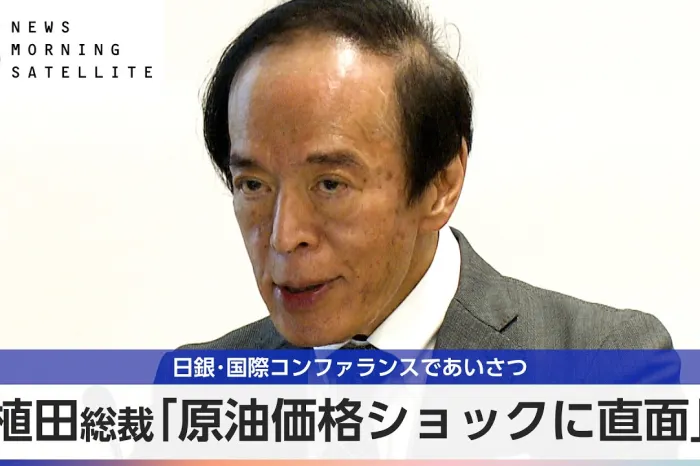
Bank of Japan Governor Kazuo Ueda has sounded a clear warning about the potential economic impact of rising oil prices driven by escalating tensions in the Middle East. Speaking at an international conference hosted by the central bank on May 27, Ueda stressed that this surge in crude oil costs could present serious challenges to Japan’s economic stability and inflation outlook.
Reflecting on past episodes such as the oil crises of the 1970s, Ueda noted that the inflationary effects of higher oil prices are complex and do not follow a one-size-fits-all pattern. Instead, their influence depends on various factors including wage growth, inflation expectations, consumer spending behavior, and currency exchange rates. He cautioned against viewing oil price increases in isolation, emphasizing that their broader economic consequences can differ significantly depending on these conditions.
While crude oil prices are climbing sharply, Ueda highlighted that the current situation is distinct from previous shocks. He urged policymakers to carefully examine the specific nature of this recent price surge to fully understand its implications for inflation trends and economic growth prospects. Despite speculation ahead of the Bank of Japan’s mid-June monetary policy meeting, Ueda chose not to comment on any potential interest rate adjustments during his remarks.
The ripple effects of rising energy costs are already being felt across multiple sectors in Japan. Notably, a shortage of naphtha—a crucial petrochemical for manufacturing building materials such as paint and insulation—is causing delays in construction projects nationwide. This disruption adds pressure to the housing industry, further complicating Japan’s economic landscape amid these energy challenges.
Alongside these concerns, Japan’s external financial position remains robust. According to the Finance Ministry, Japan’s net external assets rose by 4.4% year-on-year, reaching a record 561.75 trillion yen at the end of 2025. This increase underscores the continued strength of Japan’s overseas investments despite ongoing global uncertainties.
In addition to economic pressures, Japan is bracing for heavy rainfall linked to Typhoon No. 6, approaching from east of the Philippines. The storm is expected to bring widespread moisture across western and eastern regions early next week, raising concerns over potential flooding risks.
Governor Ueda’s comments highlight the intricate connection between international geopolitical developments and domestic economic conditions. As volatility persists in global energy markets due to Middle East tensions, Japan faces a critical period where careful policy measures will be essential to manage inflationary pressures while sustaining economic resilience.