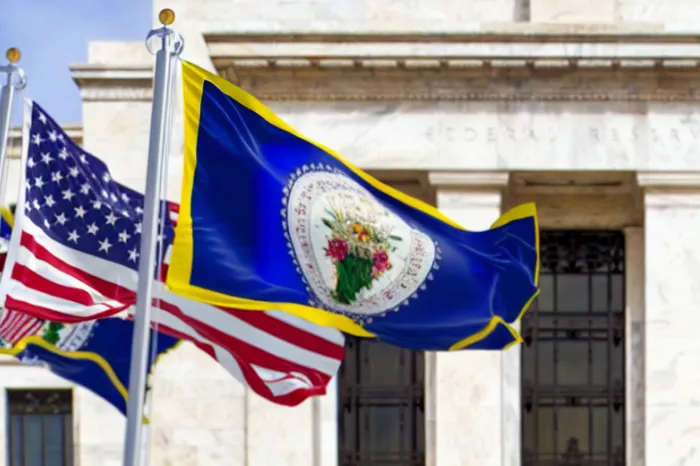
The Federal Reserve’s tendency to reduce its public communications during the summer months significantly affects stock market behavior. Historically, when the Fed scales back its updates, investors face increased uncertainty, which often leads to heightened market volatility and shifts in economic expectations. This seasonal silence usually coincides with a lull in major policy announcements, leaving traders to rely on previous signals without fresh insights.
Financial analysts observe that the Fed’s summer quiet period prompts diverse reactions among investors. Some take a more cautious stance, limiting their trading activities while awaiting clearer indications of monetary policy direction. Others interpret this calm as a sign of stability, encouraging them to maintain or increase investments in key sectors. Ultimately, how the market responds depends largely on current economic conditions and the tone set by earlier Fed communications.
The Federal Reserve’s role in shaping interest rates and economic forecasts remains vital for maintaining investor confidence. When the flow of information pauses, crucial updates on inflation trends, employment figures, and growth prospects temporarily vanish. This absence can cause short-term market swings as participants adjust their expectations amid limited new data.
Experienced market observers like Leo Sun highlight that long-term investors often use these quieter intervals to reassess their portfolios. Inspired by legendary investors such as Warren Buffett and Peter Lynch, they focus on fundamental analysis rather than reacting impulsively to short-term market noise. Sun emphasizes that understanding historical patterns during these Fed communication breaks equips investors with better tools to navigate uncertainty.
Additionally, the Fed’s summer communication pause often overlaps with other seasonal factors like corporate earnings releases and geopolitical events. This combination creates a complex environment where multiple influences shape market performance simultaneously. Experts recommend that investors stay informed through a variety of sources and exercise patience until the Fed resumes its public guidance.
In conclusion, while the Federal Reserve’s reduced communication during summer may initially unsettle some market participants, it is a predictable seasonal trend that does not inherently signal negative outcomes. Instead, it offers an opportunity for investors to concentrate on fundamental economic factors and prepare for potential shifts when the Fed returns to active engagement. Understanding this dynamic is crucial for making well-informed investment decisions throughout the year.