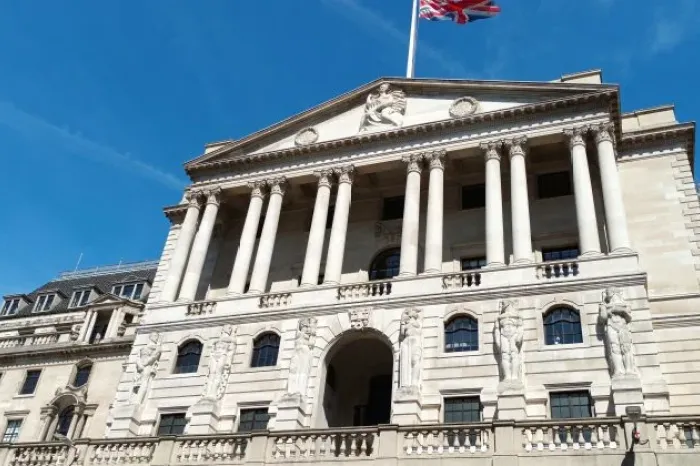
The Bank of England (BoE) has signaled a significant shift in the future landscape of digital payments, suggesting that tokenised deposits could soon replace stablecoins as the preferred form of digital money. Megan Greene, an external member of the BoE’s Monetary Policy Committee, expressed her view at an economic conference in Dubrovnik that the current surge in stablecoin demand may be temporary. She warned that while stablecoins have gained traction by enabling fast and flexible transactions, their popularity might fade as regulation tightens and banking infrastructure improves.
Stablecoins are digital assets designed to maintain a stable value, often pegged to fiat currencies like the US dollar. They have become popular for use in crypto trading, cross-border payments, and consumer transactions due to their ability to operate 24/7 and settle quickly. However, Greene highlighted concerns about their stability and regulatory oversight, noting that some stablecoins are also used for illicit purposes. More importantly, she pointed out that stablecoins could draw deposits away from traditional banks, potentially weakening the banks’ capacity to lend and affecting monetary policy effectiveness.
In contrast, tokenised deposits represent digital versions of traditional bank deposits issued directly by commercial banks. These digital deposits maintain the bank’s role as the issuer, keeping liabilities on the bank’s balance sheet. This feature preserves the existing banking system’s stability and lending functions. The BoE has been actively encouraging banks to explore tokenisation within current regulatory frameworks and is preparing draft rules for systemic stablecoins expected in mid-2026.
Governor Andrew Bailey has voiced concerns about stablecoins possibly siphoning deposits from banks. He supports tokenised deposits as a safer alternative since they do not disrupt the banking model. The Bank of England’s approach includes requiring systemic stablecoins to hold at least 40% of their reserves in unremunerated central bank deposits. This measure aims to increase stability but may raise operational costs for stablecoin issuers significantly.
The BoE’s Deputy Governor Sarah Breeden outlined plans for a “multi-money” retail payments system where tokenised bank deposits, regulated stablecoins, and potentially a central bank digital currency (CBDC) coexist and interoperate with traditional money forms. UK banks are expected to pilot tokenised customer deposits between 2026 and 2027, marking a major step toward modernising payment infrastructure.
While some policymakers like U.S. Federal Reserve’s Christopher Waller defend stablecoins as financial innovations that increase competition in payments, Greene remains cautious. She described the future competition between central bank digital currencies (the “tortoise”), stablecoins (the “hare”), and tokenised deposits (the “rhino”), predicting that tokenised deposits are likely to emerge as the dominant form.
The BoE’s regulatory stance reflects a careful balancing act: encouraging innovation while protecting financial stability. The upcoming rules will test whether the UK can foster a robust digital currency ecosystem without pushing innovation offshore or undermining banking resilience. Ultimately, the long-term success of any digital money solution will depend on sustained usage beyond initial hype and integration into everyday financial activities.