The EUR/USD futures market is currently navigating a complex landscape shaped by diverging central bank policies, energy price shocks, and geopolitical tensions. The pair has recently faced downward pressure from rising U.S. Treasury yields and persistent strength in the U.S. dollar, while energy market developments and political risks in Europe continue to weigh on the euro.
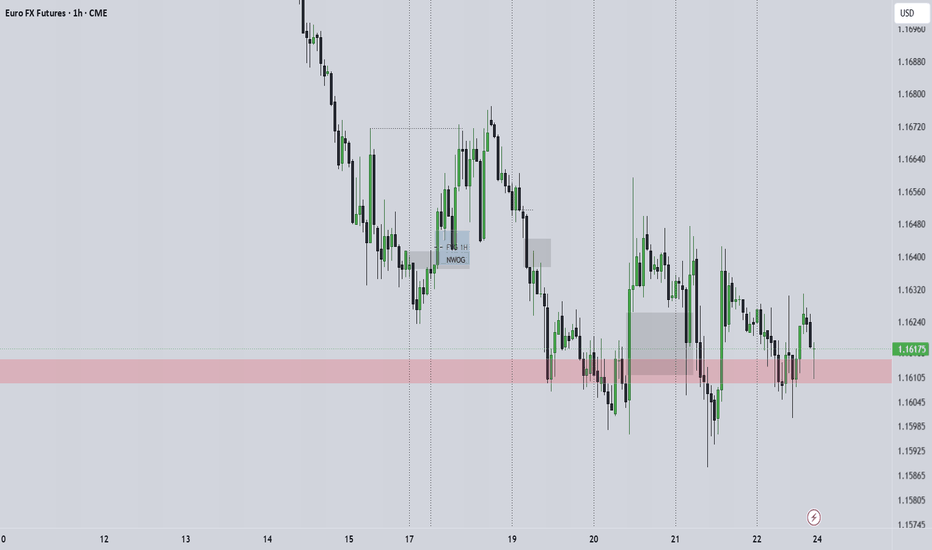
Technical analysis reveals that the euro is trading near key support levels around 1.1600, with resistance capped near 1.1640 to 1.1685. Market participants are advised to sell failed rallies below these resistance points rather than chasing dips into lower support zones. Analysts note that a decisive close below 1.1584 could reopen significant downside toward early-April lows, further intensifying bearish momentum.
From a macroeconomic perspective, the U.S. economy is outperforming the eurozone, with projected GDP growth of 2.4% compared to the euro area’s modest 0.9% for 2026. This growth differential supports higher U.S. interest rates, which in turn bolster the dollar against the euro. Meanwhile, the European Central Bank (ECB) faces challenges from elevated energy prices and geopolitical uncertainties, particularly stemming from Middle East conflicts that threaten critical supply routes such as the Strait of Hormuz.
The ongoing conflict has pushed Brent crude oil prices above $100 per barrel, contributing to inflationary pressures within the eurozone and raising concerns about stagflation risks. The ECB has responded by maintaining its key interest rate at 2%, while the Federal Reserve holds rates higher at 3.50–3.75%, resulting in a significant policy rate gap that continues to favor the dollar.
Market sentiment has also been influenced by option market dynamics around key levels in EUR/USD futures contracts, with traders closely watching clustered stop orders near 1.1600 and resistance zones between 1.1640 and 1.1685. This option-related support and resistance create tactical trading ranges where liquidity flows often slow momentum in either direction.
In terms of trading strategies, experts suggest preferring short positions on failed rebounds below resistance levels and caution against chasing breaks unless clear acceptance above or below critical price points is observed. The use of micro EUR/USD futures contracts offers traders flexible position sizing aligned with risk management principles, especially in volatile environments.
Looking ahead, upcoming economic data releases including U.S. Core PCE, CPI figures, and eurozone GDP reports will be pivotal in influencing EUR/USD directionality. Additionally, central bank meetings scheduled for late April may provide further clarity on monetary policy trajectories amid evolving inflation and growth forecasts.
Overall, while the euro has demonstrated some resilience against a backdrop of dollar strength and energy market shocks, significant downside risks remain if geopolitical tensions persist or if inflation pressures force further tightening by the Federal Reserve relative to ECB actions. Traders are advised to monitor technical levels closely and manage exposure carefully given the uncertain macroeconomic and geopolitical environment.