Japan’s financial markets are closely watching the Bank of Japan (BOJ) as expectations grow for an interest rate hike later this month. The yield on Japan’s 10-year government bonds has remained elevated near 2.66%, reflecting investor confidence in a policy tightening move by the central bank. This shift comes amid rising inflationary pressures and stronger economic data, signaling a possible end to the BOJ’s long-standing ultra-loose monetary policy.
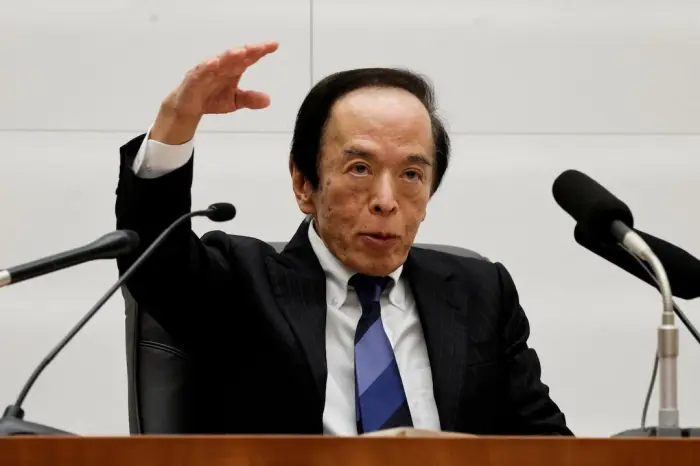
BOJ Governor Kazuo Ueda recently emphasized the need to carefully weigh the costs and benefits of raising rates, especially as inflation risks start to outweigh concerns about economic growth. Inflation in Japan has been driven higher by soaring energy prices linked to ongoing conflicts in the Middle East, particularly affecting fuel costs. This external shock has complicated the BOJ’s decision-making but has also increased pressure on policymakers to act.
Market participants are currently pricing in an approximately 80% chance that the BOJ will increase its short-term policy rate from 0.75% to 1% at its upcoming two-day meeting ending June 16. Such a move would mark the highest policy rate since 1995, signaling a significant pivot toward fighting inflation more aggressively. Supporting this outlook, recent data showed Japan’s real wages rose by 1.9% in April, marking four consecutive months of wage growth and indicating improved consumer purchasing power.
Sources familiar with BOJ deliberations have indicated that unless there is a severe escalation in the Middle East conflict disrupting global markets, a rate hike is highly likely this month. Policymakers remain cautious, monitoring geopolitical developments closely as they finalize their decision. Meanwhile, other BOJ board members have also voiced concerns about mounting price pressures, suggesting a united front among hawkish officials who favor tightening monetary policy sooner rather than later.
In addition to the rate decision, the BOJ is set to review its bond tapering program, which aims to reduce monthly government bond purchases gradually through March next year. Although some progress has been made in shrinking its balance sheet since 2024, sources suggest the central bank may slow or pause tapering to avoid unsettling bond markets amid rising yields and heightened volatility.
Prime Minister Sanae Takaichi appears to have given a cautious nod toward the planned June hike, emphasizing the importance of considering government measures aimed at easing living cost pressures for households. Former BOJ board member Makoto Sakurai described this as reluctant acceptance of the inevitable rate increase. Ultimately, much will depend on Governor Ueda’s determination to push through tighter monetary policy despite potential risks.
With inflation expected to remain above the BOJ’s 2% target later this year due to sustained price pressures from energy and import costs exacerbated by a weaker yen, analysts believe this upcoming policy meeting could mark a turning point for Japan’s central bank. The market will be watching closely for any signals on future rate hikes and adjustments to bond purchases as the BOJ navigates complex economic and geopolitical challenges.