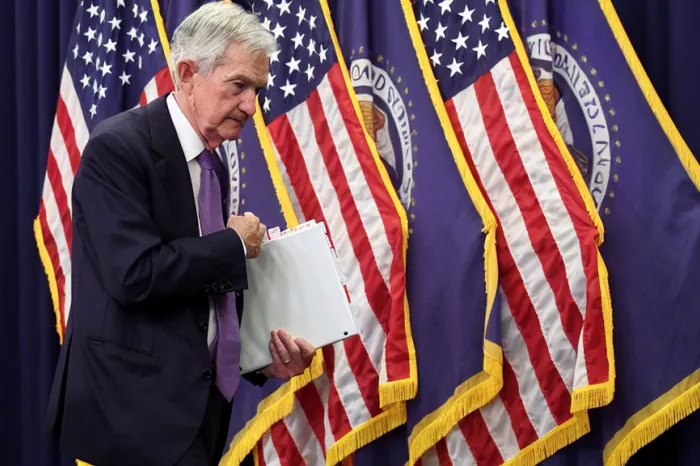
Kevin Warsh officially assumed the role of Chair of the Federal Reserve on May 22, stepping into the position previously held by Jerome Powell since 2018. As the sixth individual to lead the Fed since 1979, Warsh follows a distinguished line of predecessors including Paul Volcker, Alan Greenspan, Ben Bernanke, and Janet Yellen. Each leadership transition at the Federal Reserve tends to stir uncertainty in financial markets as investors weigh potential shifts in monetary policy and economic priorities.
Historical Market Reactions to New Fed Chairs
Looking back at stock market trends during the initial year of new Fed Chairs reveals a wide spectrum of outcomes. Paul Volcker’s tenure began amid a recession in 1979, yet the S&P 500 still posted a robust return of approximately 16.5%. Alan Greenspan faced a tumultuous start with the Black Monday crash in 1987, which triggered a steep market downturn shortly after he took office. Ben Bernanke’s early period was marked by an initial market decline that foreshadowed the severe financial crisis bear market two years later.
Janet Yellen’s first year as Chair in 2014 saw relatively steady gains with limited volatility, while Jerome Powell’s initial year was characterized by significant swings, including the dramatic “Volmageddon” event and a mini-bear market driven by fears of a global recession. These varied scenarios highlight that market performance following a new Fed Chair appointment is influenced far more by prevailing economic conditions than by leadership change alone.
The Role of Economic Environment Over Leadership
While each Fed Chair brings their own perspectives and strategies to monetary policy, external factors such as recessions, financial disruptions, and worldwide economic trends have historically played a more decisive role in shaping market behavior. Investors should recognize that reacting solely to changes in Fed leadership may overlook the broader economic forces at play.
Guidance for Investors Amid Fed Transitions
With Kevin Warsh’s appointment sparking discussions about future policy direction, it is important for investors to maintain focus on long-term objectives and risk tolerance rather than making abrupt portfolio changes based on leadership shifts. Diversification and alignment with individual investment goals remain essential strategies during periods of central bank transition.
Monitoring ongoing economic indicators and fiscal developments will provide clearer insight into market trends than relying on Fed Chair changes alone. Understanding this dynamic can help investors stay grounded during inevitable periods of volatility associated with new Federal Reserve leadership.
In conclusion, while the arrival of a new Fed Chair often brings short-term uncertainty to financial markets, historical evidence suggests it is not a reliable signal for predicting stock market performance over the subsequent year. This perspective encourages steadiness and strategic planning over reactionary moves in response to shifts at the Federal Reserve.