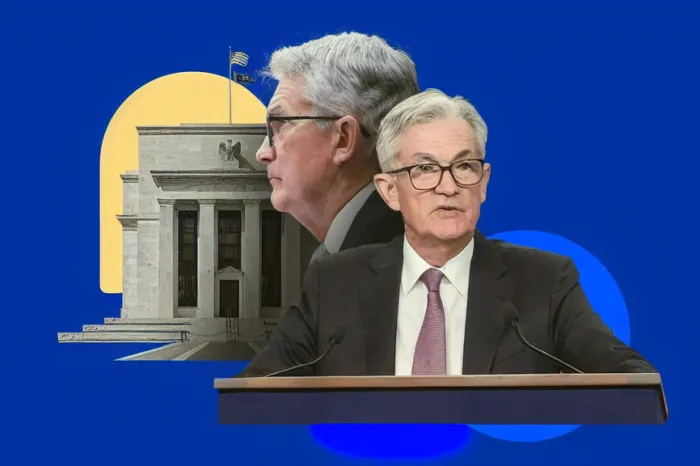
Recent figures released by the Chicago Federal Reserve highlight a significant decline in consumer spending on food and services once inflation is taken into account. In May 2026, Americans reduced their expenditure on these essential items by 1.3% compared to prior months, marking a notable downturn after stable spending levels in April. This shift points to the increasing strain that rising prices are placing on household budgets.
Economic Implications of Reduced Consumer Spending
Consumer spending drives roughly two-thirds of the U.S. economy, making it a critical indicator of economic health. When spending on necessities like food and services contracts, it often signals weakening demand that could slow overall economic growth. Despite a relatively steady labor market—with 172,000 new jobs added in May and unemployment holding at 4.3%—the drop in inflation-adjusted spending has raised red flags among economists and investors.
Inflation Pressures Intensify
Inflation has recently accelerated, with consumer prices rising 4.2% in May, the highest level since April 2023. Core inflation also climbed to 2.9%, further squeezing consumers’ purchasing power. This combination of rising costs and declining willingness or ability to spend threatens to create a feedback loop where higher prices reduce consumption, which then negatively impacts business revenues and hiring decisions.
Insights from the Chicago Fed’s Retail Report
Though less publicized than Federal Reserve interest rate announcements, the Chicago Fed’s Advance Retail Trade Summary offers timely insights into consumer behavior trends. Market analysts have taken note of these findings as early indicators of potential economic fatigue. Shifts in retail activity often precede broader slowdowns, making this data especially relevant for forecasting future economic conditions.
Expert Warnings and Market Outlook
Economists such as Mark Zandi caution that ongoing inflationary pressures combined with slowing consumer demand and signs of labor market softening could converge to threaten sustained economic growth. While it remains premature to declare a recession based solely on these numbers, the current pattern underscores vulnerabilities within the recovery.
Investors and policymakers are now keenly watching upcoming Federal Open Market Committee meetings for signals about how the Fed might adjust monetary policy. The central challenge is managing inflation without further dampening consumer spending or risking increased unemployment.
In conclusion, the latest Fed-related data reveals growing financial pressure on American consumers as they cut back on essential purchases amid rising inflation. If this trend continues, it may foreshadow broader economic difficulties ahead, highlighting the delicate balance between controlling inflation and supporting growth.