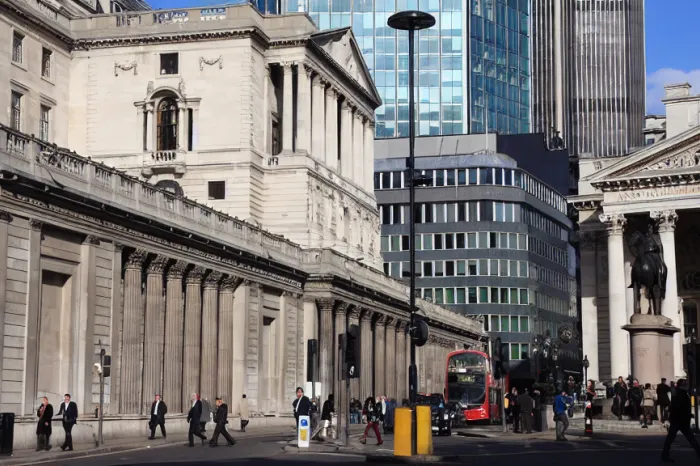
The Bank of England is widely expected to keep its benchmark interest rate steady at 3.75% during the upcoming Monetary Policy Committee meeting on June 18. A recent Reuters survey of 65 economists revealed a unanimous consensus that the central bank will hold rates for now, although nearly 40% of respondents foresee a possible rate increase later this year due to growing inflationary pressures.
Inflation concerns are mounting, driven in large part by geopolitical tensions, especially the ongoing conflict involving Iran. These developments have pushed energy prices higher, leading UK consumers to anticipate inflation rates not seen in recent years. According to the Bank of England’s latest quarterly Inflation Attitudes Survey, public expectations for inflation over the next 12 months have risen sharply to 4%, up from 3.2% in February. Long-term inflation expectations have also climbed, with a median forecast of 3.9% over five years—significantly above the Bank’s 2% target.
Governor Andrew Bailey has emphasized the importance of guiding inflation back toward the target level to maintain confidence in monetary policy among households and businesses. Similarly, Monetary Policy Committee member Megan Greene pointed out that if inflation continues to rise due to sustained conflict in the Middle East and its impact on global prices, there will be stronger justification for raising interest rates.
Despite these inflationary challenges, forecasts for UK economic growth have been modestly revised upward. The outlook for 2026 now anticipates growth at 1.0%, up from a previous estimate of 0.8%, with expectations for continued expansion in subsequent years. However, recent economic indicators present a mixed picture: April marked a slight contraction in the UK economy—the first monthly decline since August last year—while May showed a slowdown in service sector activity. These trends reflect the pressure exerted by rising costs amid global energy market instability.
Market participants and mortgage brokers are closely monitoring these developments, as they have direct implications for borrowing costs and housing market conditions. The current stable interest rate environment has supported mortgage lending and fostered competitive pricing among lenders. Still, any unexpected hikes could unsettle this balance and affect housing affordability.
Looking forward, there is cautious optimism that diplomatic progress on the Iran conflict might ease energy price pressures and influence inflation trends. Recent comments from US officials suggest a potential breakthrough could be on the horizon, which would likely shape future monetary policy decisions and market sentiment.
For now, all indications point toward the Bank of England maintaining its current interest rate at the upcoming meeting. Nevertheless, ongoing geopolitical tensions and statements from Monetary Policy Committee members will remain critical factors shaping inflation dynamics and interest rate policies throughout 2026.