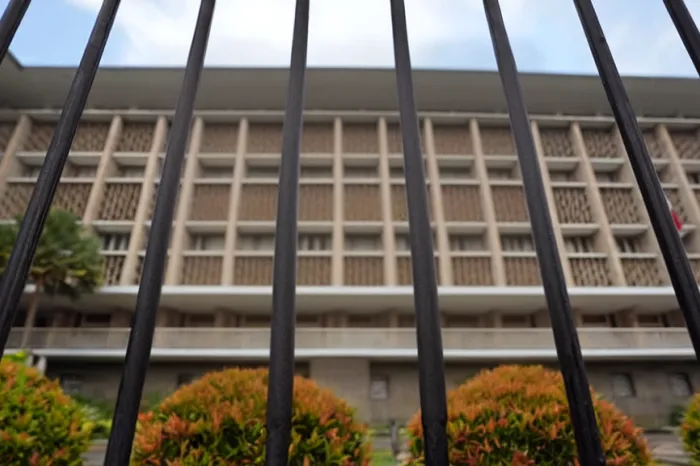
Indonesia’s central bank has intensified its supervision of foreign exchange trading by both international and local banks to curb the falling value of the rupiah and support the country’s largest economy. This move comes as part of broader efforts to ensure that foreign exchange transactions are conducted for legitimate commercial purposes rather than speculative gains. Bank Indonesia has been closely monitoring several banks with high volumes of dollar transactions, demanding proper documentation for large currency purchases.
The central bank’s increased scrutiny follows a period of significant pressure on the rupiah, which has weakened by approximately 7% against the US dollar this year. Concerns over Indonesia’s economic policies under President Prabowo Subianto, combined with global uncertainties such as the Iran conflict, have contributed to asset selloffs and volatility in the currency market. In response, Bank Indonesia took the unexpected step of raising interest rates and announced plans for more active market interventions.
Officials have been visiting banks’ trading desks to verify foreign exchange activities and have implemented a system where large dollar purchases trigger immediate inquiries from the central bank about the transaction details and underlying business rationale. Banks are prohibited from holding long dollar positions or engaging in speculative trading, aligning with efforts to maintain currency stability. Discussions between Bank Indonesia and the Indonesia Association of International Banks have accelerated following the rupiah’s record lows earlier in June.
The Indonesian government is also enforcing stricter controls on exporters by requiring them to deposit their US dollar earnings at state-owned banks. This policy has tightened dollar liquidity for private banks, complicating regular banking operations. Meanwhile, some global banks remain hesitant to increase their dollar holdings in Indonesia due to concerns about potential restrictions on moving funds offshore amid ongoing reforms.
President Prabowo’s administration has introduced ambitious economic measures aimed at boosting growth to 8%, including expanding state involvement in key sectors and launching social programs. However, these initiatives have raised investor concerns about fiscal discipline and economic management. Rising oil prices have further strained government finances by increasing fuel subsidies while revenues remain under pressure.
Indonesia is not alone in facing currency challenges; other Asian economies like South Korea, India, and the Philippines are also strengthening measures against offshore foreign exchange speculation amid global energy uncertainties. Yet, Indonesian financial markets have been among the most affected this year, with sharp declines in equities and rising bond yields reflecting investor caution.
Overall, Bank Indonesia’s tighter oversight of forex trading reflects a strategic effort to stabilize the rupiah and reassure markets amid a complex mix of domestic policy shifts and external pressures. The central bank continues to engage with financial institutions to enforce compliance and promote transparency in foreign exchange operations as it navigates these economic headwinds.