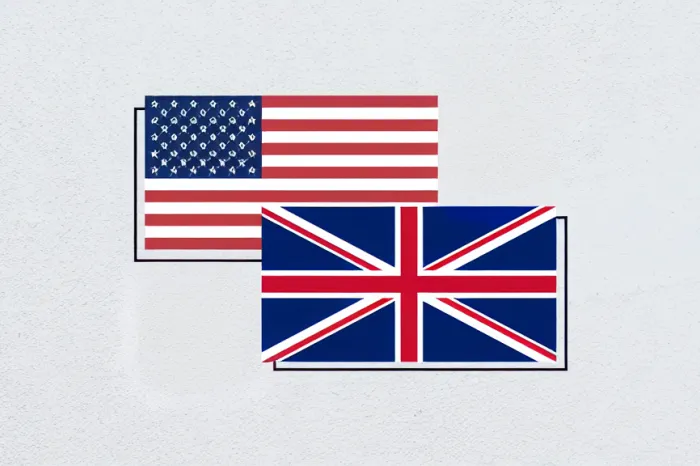
The British pound slipped against the US dollar following data revealing a contraction in the UK economy for April, signaling growing concerns about slowing growth amid ongoing geopolitical tensions and high energy costs. On Friday, GBP/USD traded lower by 0.20% at 1.3390, reflecting market unease after the UK’s gross domestic product (GDP) shrank by 0.1% month-on-month, matching forecasts but reversing earlier gains seen in February and March.
This economic slowdown suggests the UK entered the second quarter on weaker footing, complicating government efforts to maintain momentum amid rising inflation and global uncertainties. The contraction followed modest growth of 0.3% in March and 0.4% in February, indicating a cooling off after a stronger first quarter. Analysts expect this could lead to further economic challenges in the coming months.
The pound’s decline was also influenced by expectations that the Bank of England will maintain a cautious stance on interest rates, limiting sterling’s upside despite some improved risk sentiment globally. In contrast, the US dollar remained broadly supported as investors anticipate a careful Federal Reserve approach ahead of its upcoming policy meeting. The Federal Reserve’s stance remains a key driver for major currency pairs, especially with persistent inflation concerns.
Meanwhile, the euro also weakened slightly against the dollar, trading near 1.1562 after a hawkish European Central Bank meeting failed to boost the currency above resistance levels around 1.1600. Market participants have already priced in much of the ECB’s expected tightening cycle, leaving EUR/USD range-bound and sensitive to developments in US monetary policy.
Adding some complexity to the market outlook are reports that the United States and Iran are nearing an agreement that could reopen the Strait of Hormuz and ease restrictions on Iranian oil exports. This potential deal has contributed to a drop in Brent crude oil prices, easing fears over prolonged supply disruptions but leaving markets cautious until an official agreement is reached.
Technically, analysts note that GBP/USD support lies near 1.3350 and 1.3300 levels, with resistance seen around 1.3450 to 1.3500. For EUR/USD, resistance is near 1.1600 with key support at approximately 1.1500. Traders are now closely watching upcoming US consumer sentiment and inflation data alongside further developments in US-Iran negotiations for clues on future currency movements.
Looking ahead, any signs of persistent inflation or a more hawkish Federal Reserve could strengthen the dollar further and put additional pressure on both sterling and the euro. With geopolitical risks and energy price volatility still present, market participants remain cautious as they await clearer signals from central banks and international developments.