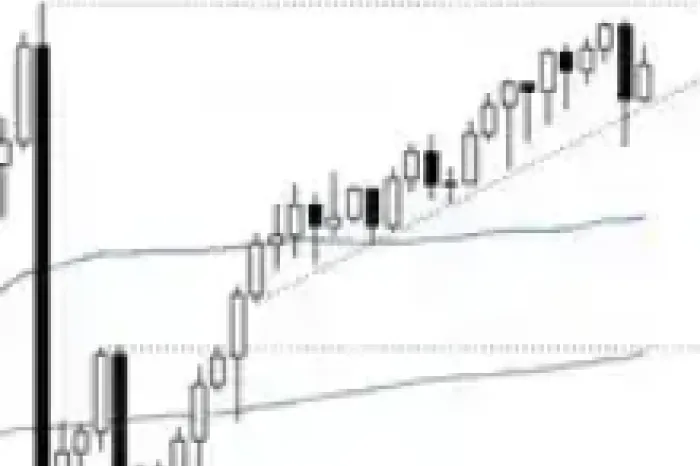
The USD/JPY currency pair has shown notable resistance to significant movement despite a favorable market environment that could have supported a decline in the exchange rate. Last week, the pair failed to break lower even as crude oil prices dropped sharply due to growing optimism around a potential deal between the United States and Iran. This decline in energy prices contributed to softer Treasury yields and weaker inflation indicators, including core Consumer Price Index (CPI) and Producer Price Index (PPI) readings in the US. However, despite these factors that typically support a stronger Japanese yen, the USD/JPY rebounded to close above the 160 level by Friday.
Market participants are closely watching the Bank of Japan’s (BOJ) monetary policy decisions, which remain a key influence on the yen’s performance. The BOJ has maintained its ultra-loose monetary policy stance while other central banks, such as the US Federal Reserve, have been tightening theirs. This divergence has kept upward pressure on the USD/JPY pair. Traders are questioning when or if the BOJ will adjust its policies to allow the yen to strengthen more sustainably.
Meanwhile, shifts in Federal Reserve pricing have shown some influence on the exchange rate dynamics over the past week. However, analysts caution that these relationships can be uneven and volatile, making it risky to draw definitive conclusions based solely on short-term data. The interplay between US interest rates and Japanese monetary policy continues to create a complex environment for forex traders.
The inability of the yen to rally strongly even amid falling energy prices and weaker US inflation data highlights broader uncertainties surrounding Japan’s economic outlook and BOJ policy direction. Investors remain attentive to any signals from upcoming BOJ meetings that could indicate changes in yield curve control measures or other monetary tools.
Looking ahead, market watchers expect volatility in USD/JPY to persist until there is clearer guidance from the BOJ on its future policy path. The pair’s resistance near key technical levels suggests that any breakout will require significant shifts either from BOJ easing adjustments or unexpected changes in US economic conditions.
Overall, the USD/JPY exchange rate remains caught between contrasting monetary policies and global economic factors. While recent market developments have provided opportunities for a yen rally, these have yet to materialize fully, leaving traders cautiously positioned as they await further clarity from central banks.