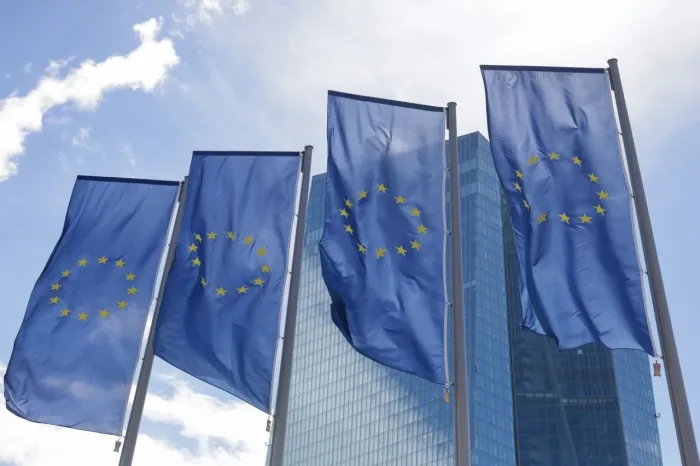
The European Central Bank (ECB) has increased its main interest rate from 2% to 2.25%, marking the first rate hike in nearly three years. This move comes as the ECB aims to control rising inflation pressures driven by a surge in energy prices linked to the ongoing conflict in Iran and the closure of the Strait of Hormuz, a critical oil shipping route. The Eurozone is currently experiencing inflation above 3%, significantly higher than the ECB’s target of 2%, prompting policymakers to take decisive action.
ECB President Christine Lagarde emphasized that this rate increase is a necessary step to prevent inflation from overshooting their target. The decision was unanimous among ECB officials, signaling a strong commitment to maintain price stability despite concerns about slowing economic growth. The ECB has slightly lowered its growth forecast for the Eurozone to 0.8% this year, down from an earlier estimate of 0.9%, reflecting the impact of geopolitical tensions and rising costs.
The timing of this hike has been described by some analysts as an “insurance move” designed to reassure markets that the ECB will not delay responding to inflationary pressures. With many homeowners in the Eurozone still paying fixed mortgage rates set years ago, the full effects of previous rate increases are only now being felt, meaning the recent hikes will continue influencing borrowing costs and consumer spending for several years.
The global financial environment remains challenging, with inflationary pressures also affecting other major economies. In the United States, consumer inflation rose to a three-year high of 4.2% in May, driven by a dramatic increase in energy costs. This has complicated the Federal Reserve’s policy decisions, with expectations that rates will remain steady in the near term but may rise again later this year. Similarly, the UK economy contracted slightly in April due to higher energy prices and geopolitical uncertainty, putting pressure on the Bank of England as it weighs future interest rate moves.
Markets have responded to these developments with cautious optimism following news of a potential peace treaty between Iran and global powers. The announcement led to a temporary drop in oil prices and a weaker US dollar, boosting the euro and other currencies. However, economists warn that despite this short-term relief, inflation risks persist, and central banks must remain vigilant.
In summary, the ECB’s interest rate hike reflects growing concerns over inflation fueled by external shocks and energy price volatility. While growth forecasts have been trimmed, policymakers are prepared to take further action if necessary to keep inflation under control. The delayed impact of earlier rate hikes on mortgage rates means that monetary tightening will continue influencing the Eurozone economy in the coming years.