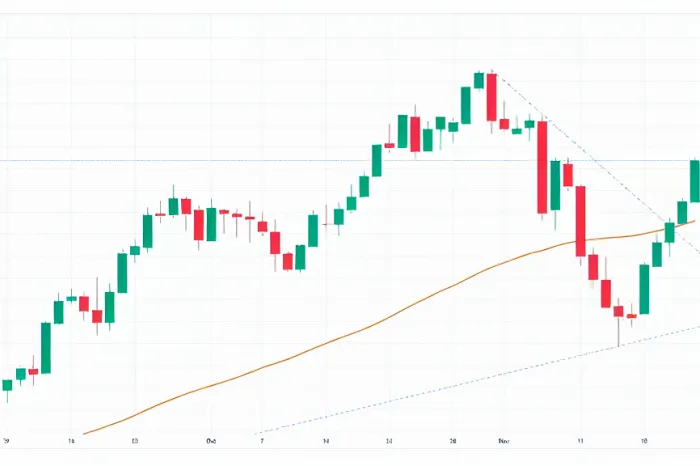
Gold prices experienced a significant rise on Monday, climbing more than 3% and reaching around $4,369 by the afternoon session. This sharp rebound follows recent lows below $4,100 last week and comes as investors responded positively to news of a ceasefire agreement between the United States and Iran. The easing of geopolitical tensions has helped lift gold after two weeks of declines, marking a notable recovery for the precious metal.
Typically, reduced geopolitical risks would lower demand for safe-haven assets like gold. However, in this case, the drop in the US dollar’s value and declining bond yields have provided strong support for bullion prices. The anticipated reopening of the Strait of Hormuz has also eased concerns about global energy supplies, which contributed to a sharp fall in oil prices. This development has encouraged riskier assets such as equities to gain, as investors unwind some of the defensive positions they had taken during heightened conflict.
Despite improved market sentiment that usually dampens gold’s appeal, the softer US dollar and reassessment of inflation prospects amid falling energy costs have maintained strong interest in gold. The key question facing investors now is whether these lower oil prices will lead to reduced inflation expectations and a more accommodative monetary policy stance from central banks.
The focus has shifted towards a busy week of central bank meetings, including those of the Federal Reserve, Bank of Japan, and Bank of England. The Federal Reserve’s upcoming meeting is especially important for gold traders. Market participants expect policymakers to adopt a cautious approach but continue to acknowledge persistent inflation risks. Any signals that the Fed may become less hawkish could stabilize the dollar and support further gains in gold prices.
Technically, gold’s price recovery above the March low near $4,098 has improved its short-term outlook. The metal is now approaching a critical resistance zone between $4,366 and $4,450. This area represents a key battleground where moving averages and trendlines converge. If gold manages to break through this resistance convincingly, it could challenge the broader bearish trend seen in recent months and signal stronger upward momentum.
On the downside, support levels to watch include $4,220 and the March low at $4,098. A drop below these levels could indicate that recent gains were temporary corrections rather than a sustained recovery. Falling back under $4,098 would increase the likelihood of gold declining below the psychologically important $4,000 mark.
Overall, while geopolitical developments have sparked renewed interest in gold, traders remain attentive to central bank policies and economic data that will shape inflation expectations and currency movements in the near term. These factors will be crucial in determining whether gold can maintain its recent rally or face renewed selling pressure.