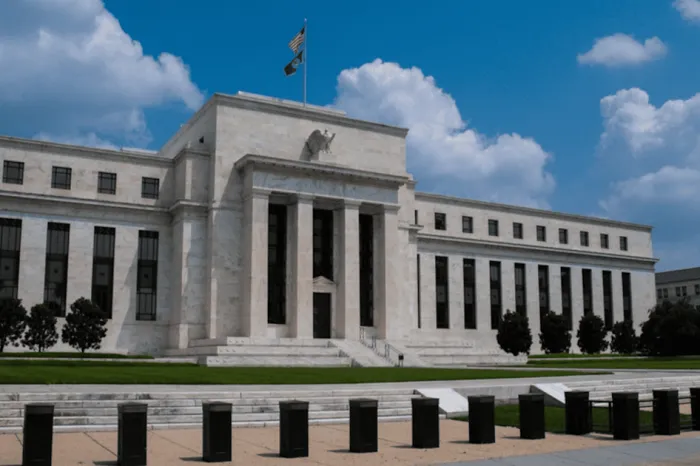
The Federal Reserve has decided to maintain its benchmark interest rates within the 3.5% to 3.75% range as it contends with ongoing inflation pressures and a resilient labor market. This policy stance comes during the first meeting chaired by Kevin Warsh, who is signaling a shift in the Fed’s approach to communication rather than immediate monetary policy changes.
Under Chair Warsh’s leadership, the Federal Reserve is expected to reduce its reliance on frequent economic forecasts and forward guidance. Warsh has expressed concerns that constant updates could cause policymakers to overreact to short-term data swings, contributing to unnecessary market volatility. His strategy aims for less frequent public projections and press briefings, reflecting a more measured communication style. While Warsh leans toward eventual interest rate cuts, he must navigate a Federal Open Market Committee that remains cautious about easing rates given persistent inflation and strong employment statistics.
International developments have also influenced market expectations surrounding Fed policy. The recent announcement of an interim peace agreement between the United States and Iran, which involves reopening the critical Strait of Hormuz, led to a sharp decline in oil prices. This easing of energy costs has helped reduce inflation concerns, prompting investors to lower their forecasts for aggressive rate hikes later in the year.
The bond market responded swiftly to these geopolitical shifts. Yields on U.S. Treasury securities fell across the board, with short-term yields—those most sensitive to Fed actions—experiencing notable declines. Current market pricing indicates roughly a 70% chance of a quarter-point rate increase by December, down from about 80% just days prior. This reflects growing optimism that reduced geopolitical tensions may help stabilize inflation without requiring immediate tightening by the Fed.
Despite these positive developments, experts advise caution regarding mortgage rate expectations. Mortgage rates are influenced by a complex set of factors beyond Fed policy, including long-term inflation trends and global economic conditions. Economists stress that while the Fed’s decisions impact overall borrowing costs, sustained low inflation combined with a robust labor market will be crucial for maintaining affordable housing finance.
In summary, the Federal Reserve is poised to hold interest rates steady at this week’s meeting while introducing a new communication approach under Chair Warsh’s guidance. The U.S.-Iran peace deal has contributed to easing inflation fears by lowering oil prices, which in turn has softened market anticipation of future rate hikes. Moving forward, investors and analysts will closely watch how these dynamics influence the Fed’s policy path and broader economic outlook.