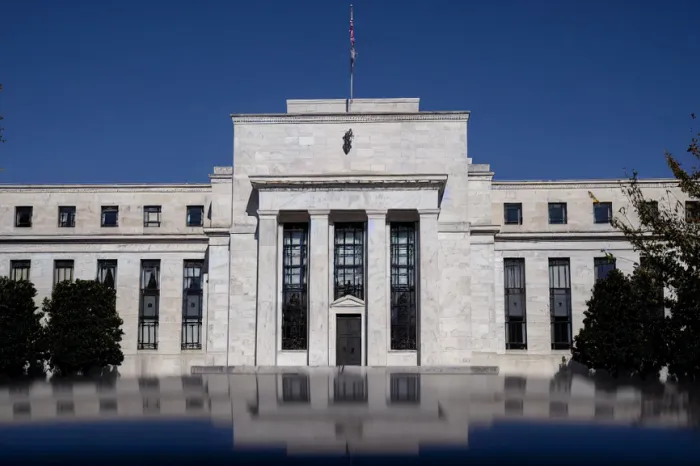
Kevin Warsh has officially assumed the role of chairman of the Federal Reserve, overseeing his first Federal Open Market Committee (FOMC) meeting during a period marked by economic uncertainty. The committee is widely expected to keep interest rates unchanged in this session despite persistent inflation and calls from President Donald Trump for rate cuts. Warsh steps into leadership amid ongoing inflationary pressures, geopolitical tensions, and mixed signals from the labor market.
President Trump has expressed renewed confidence in Warsh’s leadership, a notable shift from his previous strained relationship with former Fed Chair Jerome Powell. This new level of trust could provide Warsh with greater latitude in guiding monetary policy. His agenda includes a careful, gradual approach to lowering interest rates over time, managing the Federal Reserve’s large balance sheet, and reconsidering how inflation is measured—potentially signaling a change in the central bank’s strategy on price stability.
Despite presidential pressure for immediate rate reductions, Warsh is expected to maintain a steady course at this meeting. The U.S. economy continues to show resilience with steady job growth and stable unemployment rates, even as inflation remains above the Fed’s 2% target. Additionally, recent easing of geopolitical tensions in the Middle East might help moderate inflationary concerns in the near term.
Within the FOMC, Warsh faces differing views among policymakers regarding interest rate policy. Some members support possible hikes if inflation persists, while others lean toward cuts. Warsh encourages open debate and values transparent discussions rather than enforcing consensus, marking a departure from Powell’s approach that aimed to minimize public disagreements within the committee.
Communication strategy also features prominently under Warsh’s leadership. He has criticized overly detailed forward guidance that could limit policy flexibility and plans to adjust how the Fed conveys future policy intentions to markets. This may involve removing language that suggests imminent rate cuts from official statements to adopt a more neutral tone.
Warsh also navigates ongoing legal and political challenges affecting Fed leadership. Former Chair Powell remains on the committee despite stepping down as chair, which restricts new presidential appointments. Legal proceedings involving another governor add further complexity to future nominations.
Investors and economists are closely watching Warsh’s initial decisions to understand his monetary policy approach amid these layered challenges. While no immediate rate changes are anticipated, his leadership style and priorities will shape market expectations and influence the Fed’s long-term strategy for managing inflation and fostering economic growth.
Overall, Kevin Warsh begins his tenure with a cautious yet balanced approach amid evolving economic conditions and political realities. His goal is to preserve the Fed’s credibility while managing internal dynamics and external pressures to sustain economic stability.