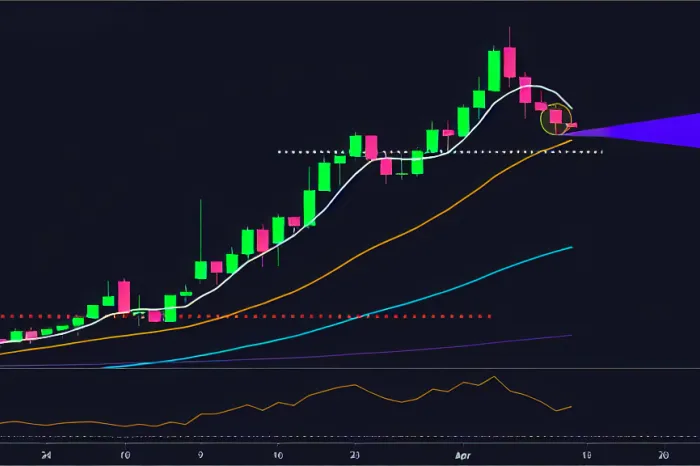
The forex market is experiencing notable shifts as geopolitical developments and upcoming central bank decisions shape currency movements. The USD/ZAR and USD/MXN currency pairs are currently under bearish pressure, influenced by growing optimism over a potential agreement between the United States and Iran. Meanwhile, the British Pound (GBP/USD) shows signs of recovery toward key resistance levels, and the Euro (EUR/USD) could emerge as a strong beneficiary of peace prospects in the Middle East.
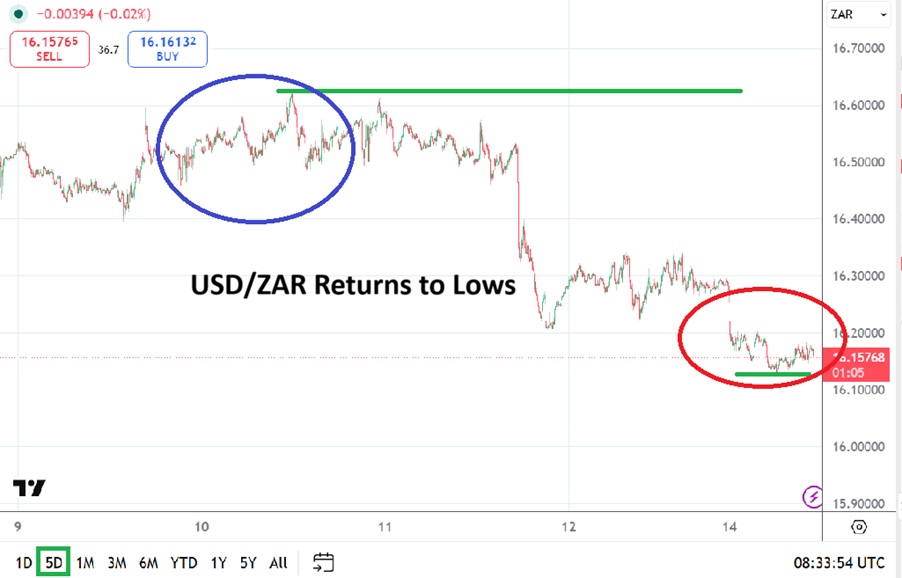
The USD/ZAR pair recently dropped from around 16.50000 to approximately 16.15770, reflecting a wave of selling triggered by cautious sentiment among financial institutions. Traders who identified the pair as overbought last week benefited from this downturn. This decline aligns with broader market trends, where weakness in the US dollar has been a dominant theme. The recent dip has brought the USD/ZAR back to levels seen earlier in the year, although some traders speculate it could fall below the 16.00000 mark if optimism about the Iran deal continues. However, market participants are advised to remain vigilant as sudden shifts in sentiment could lead to rapid price reversals.
Similarly, the USD/MXN pair is trading near 17.19200 after sustained selling pressure. The pair’s movement reflects cautious optimism stemming from geopolitical developments and expectations around US Federal Reserve policy decisions. The Fed’s upcoming announcement on interest rates could further influence this pair’s trajectory. If the Fed refrains from raising rates, it may intensify selling pressure on the USD/MXN, potentially pushing it lower toward mid-February levels near 17.10000. Traders are warned to exercise caution due to the possibility of abrupt market changes driven by political rhetoric or unexpected economic data.
On another front, the British Pound has rebounded from its May lows and is testing its 52-week moving average near 1.3428 against the US dollar. This recovery is approaching critical resistance zones defined by yearly opening levels and Fibonacci retracements around 1.3474 to 1.3522. A successful breakout above these points could signal a resumption of an upward trend toward highs seen in previous years. However, failure to breach these resistance levels may result in continued consolidation within the current monthly range. Investors are closely watching upcoming Federal Reserve and Bank of England meetings for clues on future monetary policy that could impact Sterling’s direction.
The Euro is positioned to potentially benefit significantly if peace emerges in the Middle East, which could alleviate geopolitical risks currently weighing on global markets. While specific technical forecasts for EUR/USD were not detailed, analysts suggest that any de-escalation in tensions may strengthen the Euro against the US dollar by boosting risk appetite and easing energy price pressures.
Overall, forex traders should prepare for continued volatility as geopolitical developments unfold alongside key economic announcements scheduled for this week. Risk management remains essential amid speculative moves in pairs like USD/ZAR and USD/MXN, while GBP/USD and EUR/USD await confirmation of their technical setups in response to central bank signals and global political progress.