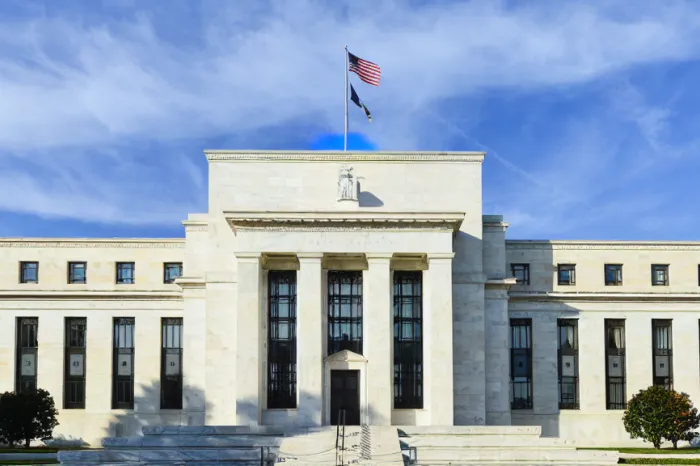
Kevin Warsh, the newly appointed chairman of the Federal Reserve, is overseeing his first interest rate meeting amid a challenging economic landscape. Since taking over from Jerome Powell last month, Warsh faces the difficult task of steering U.S. monetary policy as inflation reaches its highest level in over three years. The Federal Reserve is widely expected to maintain its benchmark interest rate between 3.5% and 3.75% during this meeting, continuing the pause on rate cuts seen since late 2025.
Warsh’s debut comes at a time when inflation pressures have intensified, partly driven by recent increases in oil and gas prices following geopolitical tensions in the Middle East. Inflation rose to an annual rate of 4.2% in May, marking the steepest climb since April 2023. This development complicates any immediate plans for lowering interest rates, a move that President Donald Trump has repeatedly urged the Fed to pursue in order to stimulate economic growth.
Despite the pressure from the White House, Warsh has pledged to keep the Federal Reserve “strictly independent” in its decisions. Economists suggest that while Warsh may share some views aligned with Trump’s preference for lower rates, he is likely to adopt a more cautious and balanced approach. The labor market remains strong, and recent economic indicators do not support aggressive rate cuts at this time. Instead, some members of the Federal Open Market Committee (FOMC) are even considering potential rate hikes later this year to counter rising inflation.
Warsh’s leadership style also signals a shift in how the Fed communicates with the public and markets. He has advocated for reducing the volume of public commentary from Fed officials and providing less forward guidance on future policy moves. This approach aims to limit market speculation and give policymakers more room to adapt as economic conditions evolve. The upcoming press conference following the policy announcement will be closely watched for signs of how Warsh intends to shape Fed communication going forward.
The Fed’s quarterly Summary of Economic Projections will accompany the rate decision, offering forecasts on unemployment, economic growth, and inflation trends. Analysts anticipate that the projections will reflect a more neutral stance compared to earlier forecasts that hinted at possible rate cuts in 2026. Instead, expectations now lean toward steady rates throughout the year or even a possible increase if inflationary pressures persist.
Warsh inherits a divided FOMC where opinions differ on whether further tightening or easing is warranted. His predecessor Powell remains on the board as a governor until 2028, which adds an unusual dynamic within the committee during this transition period. Observers note that Warsh is likely to focus on building consensus around gradual reforms rather than making abrupt policy shifts.
Beyond monetary policy, Warsh has expressed interest in how technological advances like artificial intelligence might influence economic productivity and inflation trends over time. His tenure marks a new chapter for the Fed as it navigates complex domestic challenges and geopolitical uncertainties.
As markets digest Warsh’s first official decisions and comments, investors will be paying close attention to any indications about future rate movements and how firmly the Fed will prioritize inflation control over political pressures. While no immediate changes are expected this week, Warsh’s performance at this initial meeting could set the tone for his leadership during a critical period for U.S. economic stability.