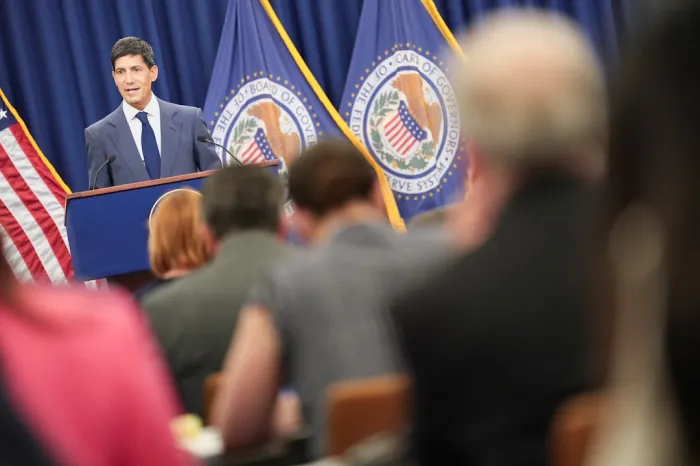
The Federal Reserve Bank of Atlanta has been without a permanent president since February, following the end of Raphael Bostic’s term. This vacancy presents a key opportunity for new Fed Chairman Kevin Warsh to influence the future leadership and policy direction of the Federal Reserve. The process to select a new Atlanta Fed president has been ongoing for seven months and is closely watched as a sign of how Warsh plans to shape the Federal Open Market Committee (FOMC).
Since taking office, Warsh has signaled a desire for significant changes at the Fed, including how interest rates are set, balance sheet policies, communication strategies, and the economic data used for decision-making. However, he currently faces limitations in immediately reshaping the committee, as most members were appointed under former Chair Jerome Powell or his predecessors. The Atlanta Fed presidency is one of the few openings where Warsh can appoint an ally to influence policy decisions.
The selection process for the Atlanta Fed president was paused when Warsh became chairman to allow him greater control over the appointment. Michael Faulkender, a former deputy Treasury secretary under President Donald Trump and current finance professor at the University of Maryland, was reportedly considered for the role. However, it remains unclear whether he is still a candidate. The Atlanta Fed and Faulkender have declined to comment on his candidacy.
The appointment of regional Fed presidents involves a collaborative process between the bank’s board of directors and the Board of Governors in Washington. Local bank directors propose candidates and consult with the Board of Governors before selecting a president who must be acceptable to both parties and the chairman. This method aims to balance regional interests with centralized oversight. The Atlanta Fed’s board is conducting a thorough search through executive firm Heidrick & Struggles to find the best candidate to serve the Sixth District.
Warsh’s leadership style has already drawn attention due to his firm stance against political pressure from the Trump administration. In his first FOMC meeting as chairman, he resisted calls for rapid interest rate cuts favored by President Trump. Instead, Warsh held a hawkish tone that led markets to anticipate higher rates, signaling his commitment to maintaining Fed independence.
Looking ahead, Warsh has established five task forces staffed by external experts to explore potential reforms in Fed policy and operations. Notably, no current governors or regional presidents are involved in these groups, underscoring Warsh’s intent to introduce fresh perspectives. While he has stated that “regime change” does not mean replacing regional bank presidents outright, upcoming vacancies—including those in New York, San Francisco, Richmond, and potentially Atlanta—offer opportunities for him to appoint leaders aligned with his vision.
The appointment of the Atlanta Fed president will be scrutinized for signs of political loyalty or independence amid concerns about preserving the central bank’s autonomy. Past regional presidents have varied in their political backgrounds and policy stances; some have previously held government roles while others have been known for their hawkish views on interest rates.
Interim leadership at the Atlanta Fed is currently provided by Cheryl Venable as the search continues. Observers expect that Warsh’s choice will reflect his broader goals of reshaping monetary policy strategy while safeguarding the Federal Reserve’s reputation as an independent institution free from undue political influence.