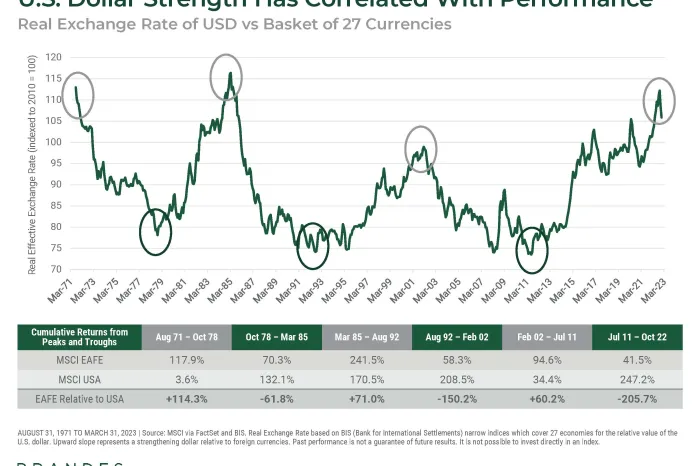
The US dollar has gained considerable strength against a range of major and emerging market currencies, with the Mexican peso and Brazilian real experiencing notable declines. This shift is largely driven by growing expectations that the Federal Reserve will continue raising interest rates, creating a widening gap between US monetary policy and those of Mexico and Brazil.
In late June, the Mexican peso dropped to 17.6 per US dollar, marking its lowest level since early April. Recent economic data from Mexico revealed a sharper-than-expected fall in headline inflation to 3.55% during the first half of June, the lowest in ten months. Core inflation also eased more than analysts had predicted. These developments have reduced the likelihood of Banxico adopting more accommodative policies. However, the narrowing interest rate differential between Mexico and the US has dampened demand for peso-denominated carry trades, exerting additional downward pressure on the peso.
Similarly, the Brazilian real weakened to around 5.19 against the US dollar amid broad-based dollar gains. The Federal Open Market Committee’s hawkish stance has led investors to price in more than one rate hike by the Fed this year. Meanwhile, minutes from Brazil’s Copom meeting indicate policymakers anticipate a reduction in the Selic rate soon despite persistent inflation concerns. This expectation points to a shrinking interest rate gap between Brazil and the US, reducing the appeal of Brazilian carry trades and further supporting US dollar strength.
Across global forex markets, traders remain vigilant as they await crucial upcoming US inflation data, particularly the Personal Consumption Expenditures (PCE) report. This data release is widely seen as pivotal in shaping future Federal Reserve policy decisions. Market participants are positioning themselves cautiously in anticipation, given the uncertainty surrounding monetary policy trajectories.
Forex experts recommend that traders exercise caution and conduct thorough research due to the market’s inherent volatility and risks. While current trends favor a stronger US dollar against several emerging market currencies, unexpected shifts in economic indicators or central bank communications could quickly alter market dynamics.
In summary, recent hawkish signals from the Federal Reserve combined with contrasting monetary policies in Mexico and Brazil have driven significant weakness in their currencies relative to the US dollar. This situation highlights the importance for forex traders to closely monitor interest rate differentials and economic data releases, as these factors remain key drivers of currency market movements.