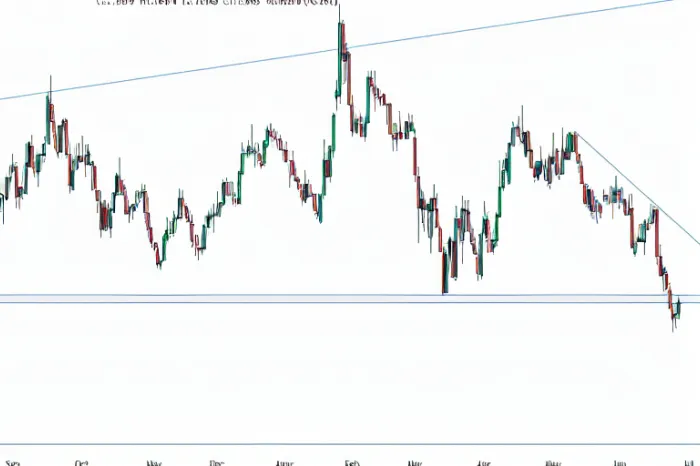
The EUR/USD currency pair has been hovering around the 1.14 level, showing volatility driven by a complex mix of economic factors and geopolitical tensions. Despite a modest rebound in recent trading sessions, the euro remains down nearly 2% over the past month against the U.S. dollar. This movement reflects not just technical corrections but also deeper reassessments related to energy prices, central bank policies, and inflation outlooks in both Europe and the United States.
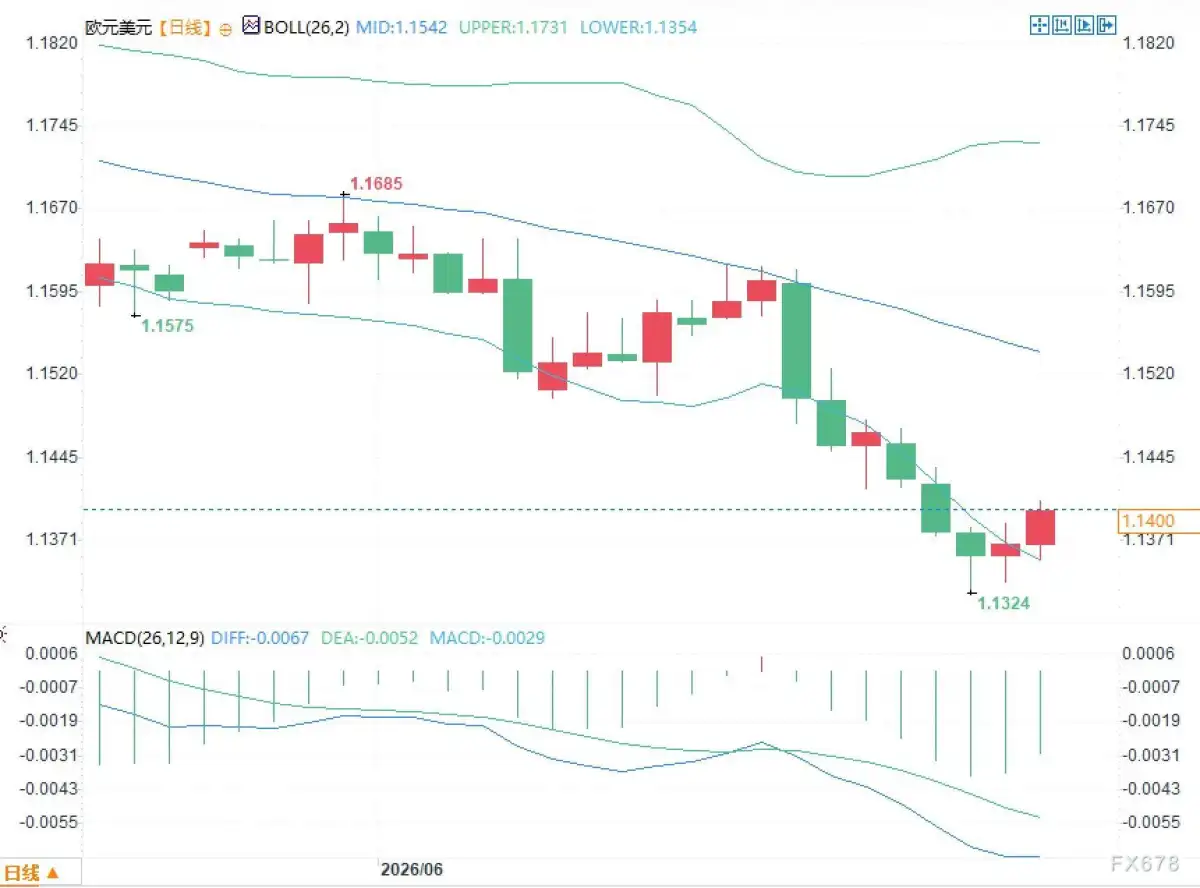
Technically, the EUR/USD pair recently dipped below the critical 1.14 support level but managed to recover slightly. However, it continues to trade below its midline Bollinger Band around 1.1542, indicating that the recent gains are likely short-term corrections rather than a full reversal of the bearish trend. The MACD indicator remains negative, signaling ongoing downward momentum. The market’s focus has shifted from whether the European Central Bank (ECB) will raise interest rates again to whether a series of further hikes is probable.
On the fundamental front, falling oil prices have played a surprising role in limiting the euro’s strength. While lower energy costs typically improve Europe’s trade balance and reduce inflationary pressures, they have also tempered expectations for aggressive ECB tightening. Brent crude oil recently dropped to about $72.80 per barrel, easing inflation risks but simultaneously weakening the ECB’s case for additional rate hikes. Inflation in the euro area remains above target at 3.2% year-over-year, but with energy costs moderating, markets are cautious about further policy tightening.
Meanwhile, the U.S. dollar remains firm due to persistent inflation data and Federal Reserve policies. The Fed has kept its benchmark interest rate steady between 3.50% and 3.75%, with market pricing suggesting a moderate chance of hikes later in the year. U.S. inflation metrics continue to show resilience, supporting real interest rates that keep the dollar attractive relative to the euro. This dynamic maintains pressure on EUR/USD exchange rates, keeping them range-bound between roughly 1.13 and 1.15.
Geopolitical tensions in the Strait of Hormuz have added another layer of complexity by boosting safe-haven demand for the U.S. dollar. Although this has helped support the dollar’s strength, the euro has shown some resilience, holding above mid-1.1300 levels despite ongoing bearish technical signals such as trading below key moving averages and a Relative Strength Index near 45.
Looking ahead, traders and investors are closely watching key economic indicators including eurozone inflation expectations, core services price trends, wage growth data, and upcoming U.S. employment reports. The interplay of these factors will determine whether EUR/USD breaks out of its current range or continues to consolidate under prevailing bearish pressures.
In summary, while short-term rebounds in EUR/USD occur amid fluctuating oil prices and geopolitical uncertainties, underlying technical indicators and fundamental data suggest limited upside potential without stronger signs of sustained eurozone inflation or a significant cooling in U.S. inflation pressures.