The Federal Reserve continues to face challenges as inflation climbs to its highest level in three years, driven largely by rising energy prices and persistent service costs. Recent data from the Commerce Department revealed that the Personal Consumption Expenditures (PCE) price index, the Fed’s preferred inflation measure, rose 4.1% annually in May, marking the largest increase since April 2023. Core inflation, which excludes volatile food and energy prices, also rose to 3.4%, its highest since October 2023.
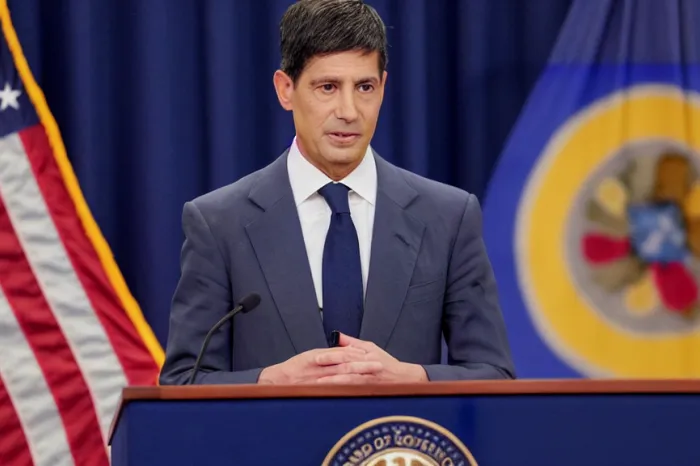
Chicago Federal Reserve President Austan Goolsbee expressed concern over inflation trends during a live interview, emphasizing that while some progress has been made in service sector inflation, overall price pressures remain too high. He highlighted the Fed’s dual mandate, pointing out that the current problem lies predominantly on the inflation front rather than employment. Goolsbee refrained from speculating about future interest rate moves but supported Fed Chairman Kevin Warsh’s recent decision to reduce forward guidance on rate paths, calling it a healthy reset for market expectations.
Meanwhile, New York Federal Reserve President John Williams shared a cautiously optimistic outlook, suggesting that inflation readings are likely to begin easing in upcoming months. Williams cited three main factors supporting this view: diminishing tariff impacts, hopes for an end to the Iran conflict which could lower energy prices, and expectations that shelter inflation will slow as rent increases moderate. Despite this optimism, Williams stressed the importance of maintaining current interest rates to ensure inflation returns to the Fed’s 2% target sustainably.
The surge in inflation has been partially attributed to elevated gasoline prices last month, which peaked near $4.50 per gallon amid geopolitical tensions involving Iran. Although prices have since fallen closer to $3.92 per gallon, they remain significantly higher than last year’s levels. Additionally, rising costs for semiconductors and computer equipment linked to artificial intelligence development have contributed to inflationary pressures across goods sectors.
Consumer spending remains resilient despite higher prices, with real spending increasing by 0.3% from April to May and inflation-adjusted incomes rising for the first time in four months. Economists note that this trend is supported by factors such as larger tax refunds and stock market gains cushioning households against higher fuel costs.
Fed officials have indicated a cautious approach regarding interest rates. While no immediate hikes are expected at the upcoming July meeting, markets are pricing in about a 30% chance of a rate increase by September. The Fed’s new leadership under Chairman Warsh has emphasized a commitment to bringing inflation down without jeopardizing economic growth or employment levels.
Overall, the Federal Reserve faces a delicate balancing act as it monitors inflation pressures amid evolving economic conditions. The coming months will be critical in determining whether recent price spikes represent a peak or signal more persistent challenges ahead for monetary policy.