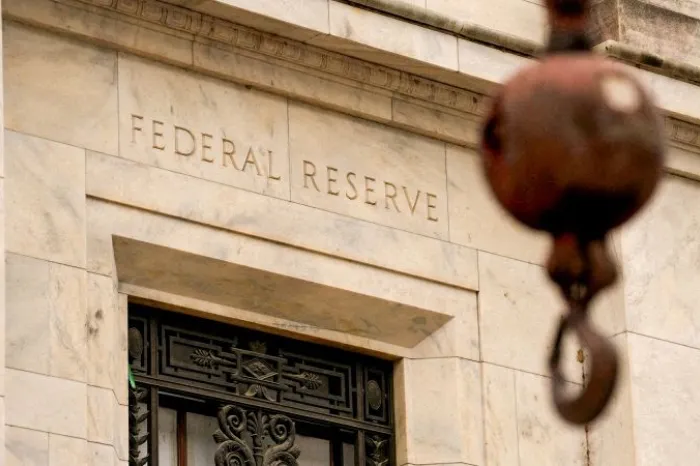
The U.S. Supreme Court has delivered a pivotal ruling that allows Federal Reserve Governor Lisa Cook to remain in her position for the time being, blocking President Donald Trump’s attempt to remove her from the central bank’s board. This decision comes after a contentious legal battle centered on allegations of mortgage fraud against Cook, which she denies and for which no charges have been filed.

In a narrow 5-4 decision, the Court emphasized that President Trump’s administration failed to provide Cook with sufficient due process before attempting to dismiss her. Chief Justice John Roberts, writing for the majority, noted that while the Court did not settle the full scope of the president’s authority to fire a Fed governor, it ruled that Cook was entitled to an opportunity to respond to the accusations formally. The ruling did not address whether there was sufficient cause for her removal, leaving those questions for future legal proceedings.
This case marks an unprecedented moment in Federal Reserve history, as no sitting president had previously sought to remove a Fed governor before their term expired. The Federal Reserve Act grants governors 14-year terms and allows removal only “for cause,” but it does not clearly define what constitutes valid cause or how such removals should be processed. The Supreme Court’s reluctance to clarify these standards leaves significant ambiguity about the limits of presidential power over the Fed.
While the Court preserved Cook’s role on the Board of Governors, it simultaneously expanded presidential authority over other independent federal agencies. The justices upheld President Trump’s right to fire leaders of several agencies without cause, overturning nearly a century-old precedent that protected these officials from arbitrary dismissal. This mixed ruling reflects the Court’s nuanced stance on executive power and institutional independence.
President Trump responded defiantly to the ruling, indicating he may continue efforts to remove Cook. He described the decision as a procedural setback rather than a final defeat and vowed to take further action against what he claims is wrongdoing. Legal experts warn that without clearer congressional guidelines, future presidents might exploit procedural loopholes to exert political influence over the Fed by initiating removal processes based on questionable grounds.
The case highlights ongoing tensions between maintaining the Federal Reserve’s political independence and presidential control. The central bank plays a crucial role in setting monetary policy, including interest rates, which affects the broader economy. During Trump’s presidency, attempts to influence Fed policy, especially through appointments and firings, have raised concerns about potential politicization of economic decisions.
With inflation pressures mounting amid global economic uncertainties and geopolitical conflicts, preserving the Fed’s independence remains critical for market stability. Governor Cook’s continued presence on the board ensures that decisions will still be shaped by economic data rather than political considerations for now. However, the legal ambiguities surrounding her potential removal underscore the need for Congress to establish clearer rules defining presidential authority over Federal Reserve governors.
As this high-profile legal dispute proceeds in lower courts, both sides await further clarification on how much control presidents truly have over independent monetary authorities. Until then, Lisa Cook remains a symbol of judicial protection for Federal Reserve autonomy amid mounting political challenges.