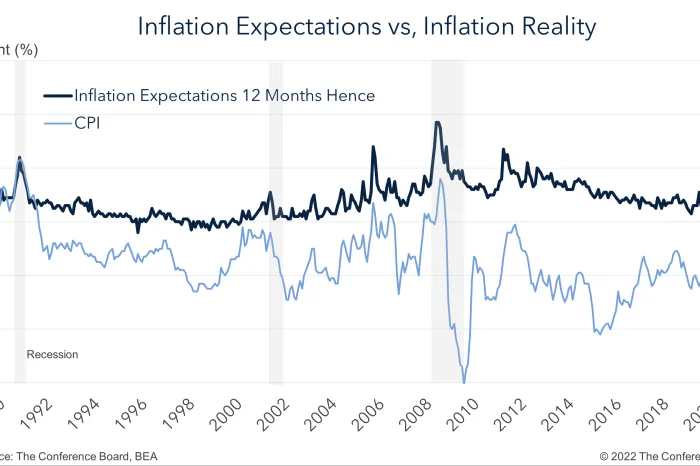
Eurozone consumers have revised their inflation expectations downward for the coming year, suggesting a possible easing of pressure on the European Central Bank (ECB) to continue aggressive interest rate increases. The ECB’s most recent Consumer Expectations Survey showed that inflation forecasts for the next 12 months dropped from 4.0% in April to 3.5% in May. Meanwhile, medium-term inflation expectations, spanning three to five years ahead, remained steady at 2.9% and 2.4%, respectively.
Consumer Sentiment and Inflation Uncertainty
The survey gathered insights from about 19,000 adults across 11 euro area countries. It also highlighted a decrease in short-term inflation uncertainty, although this uncertainty still remains higher than levels observed before recent geopolitical tensions intensified in the Middle East. The data revealed notable differences in inflation outlooks among demographic groups: lower-income households anticipate sharper price rises, whereas younger consumers expect inflation to be more moderate.
Implications for ECB Monetary Policy
This downward revision of short-term inflation expectations may reduce the urgency for the ECB to pursue immediate further rate hikes. Earlier this month, the ECB increased its deposit rate as part of ongoing efforts to contain persistent inflation pressures. However, some policymakers argue that additional tightening could still be necessary to ensure inflation expectations remain well anchored within target ranges. The debate over the timing and scale of future monetary policy moves continues.
Market Expectations and Economic Outlook
Financial markets currently anticipate between one and two more ECB rate increases before the end of the year, but there is no clear consensus on their precise timing. Alongside inflation trends, consumer sentiment toward economic growth has shown slight improvement; respondents now expect a 1.7% contraction in economic activity over the next year compared with an earlier forecast of a 2.2% decline.
Mixed Signals Amid Economic Uncertainties
While income expectations among consumers have risen somewhat, concerns about rising unemployment have also increased. These mixed signals reflect ongoing uncertainties confronting the eurozone economy as it balances managing inflation with geopolitical risks and global economic challenges.
Overall, the ECB’s latest consumer survey paints a cautiously optimistic picture regarding inflation trends and economic prospects within the euro area. Although inflation remains a central concern, these updated expectations suggest that aggressive monetary tightening may not be as urgent as previously thought. Policymakers are expected to continue monitoring these developments carefully to maintain price stability while supporting sustainable growth.