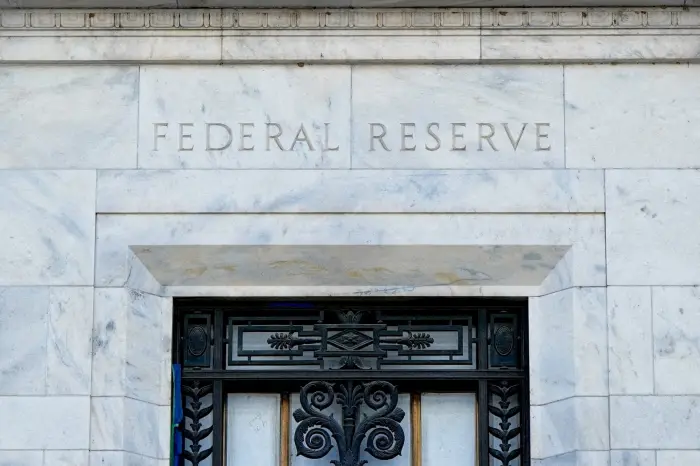
The Federal Reserve, under its new chair Kevin Warsh, is taking a firm position on reducing inflation to the targeted 2%, a stance that is currently calming the volatile $30 trillion Treasury bond market. Despite May’s inflation data revealing rates more than twice the Fed’s goal, Warsh’s guarded and resolute communication has reassured investors and helped lower Treasury yields.
Warsh has made it clear that he will not cut interest rates to appease political pressures or allow inflation to rise unchecked. This approach has been credited with easing tensions in the bond market, according to Steven Blitz, chief economist at GlobalData TS Lombard. The Fed’s preferred measure of inflation recently reached 4.1%, the highest since April 2023, mirroring consumer price index figures released earlier this month.
Market participants found some relief in the inflation numbers not exceeding expectations, with oil prices stabilizing near pre-conflict levels despite geopolitical tensions in the Middle East. The retreat in oil prices to around $70 per barrel has fueled optimism that inflation may have peaked. Since Warsh’s first press conference as Fed chair in June, the likelihood of a rate hike in 2026 has increased, reflecting his comments about allowing markets a greater role in shaping rate decisions.
The 10-year Treasury yield, a critical benchmark for mortgage rates and business financing, recently dipped to its lowest point since early May at 4.37%. The Treasury Department has limited long-term bond issuance to manage supply and borrowing costs amid a large federal deficit. Maintaining confidence in the bond market remains crucial for both the Fed and Treasury Department.
Households have been spending despite dwindling savings, supported by gains in stock markets even as inflation erodes real wages. Warsh’s clear anti-inflation messaging has reduced the inflation risk premium embedded in bond prices, providing temporary relief. However, experts warn that while lower oil prices may ease inflation data soon, this does not signal an end to inflation challenges.
Short-term Treasury yields also remain above the Fed’s current policy rate limits, reflecting expectations of further rate hikes. Warsh declined to provide specific rate projections, preferring not to publicly telegraph future policy moves. Meanwhile, the White House has expressed support for Warsh’s independent approach to managing monetary policy despite past political pressure on his predecessor.
Analysts note that while Warsh may avoid raising rates within his first six months as chair, persistent robust economic growth and inflation near double the target could force his hand by next year. The Atlanta Fed currently estimates a 67% chance of a rate increase this year, up from 31% two months ago. The threat alone of higher rates may keep yields contained through 2026.
Looking ahead, continued economic strength driven by sectors like artificial intelligence spending could necessitate actual rate hikes in 2027 unless market conditions deteriorate significantly. Recent declines in major stock indexes underscore market sensitivity to these developments as investors weigh the Fed’s tough rhetoric against evolving economic data.