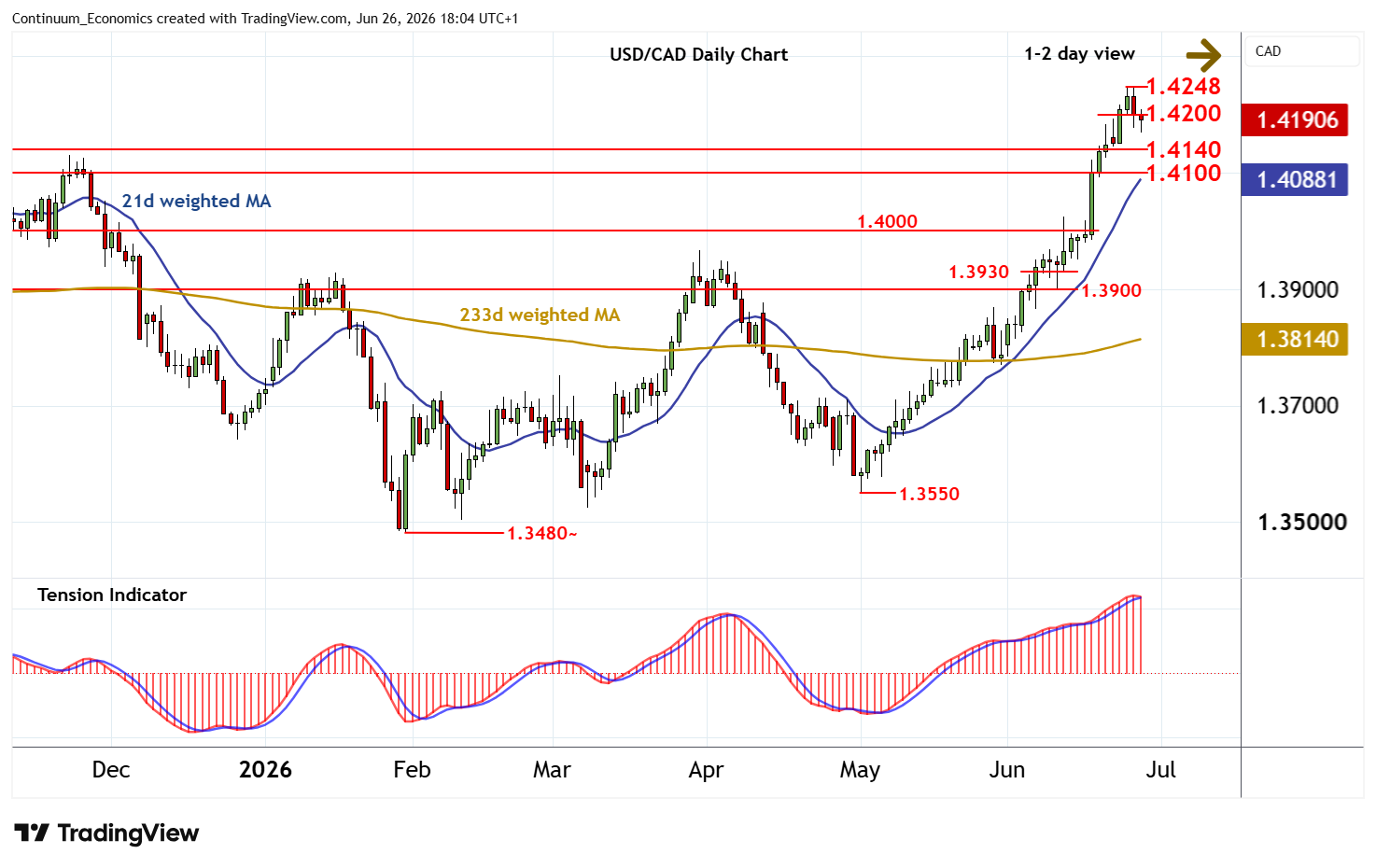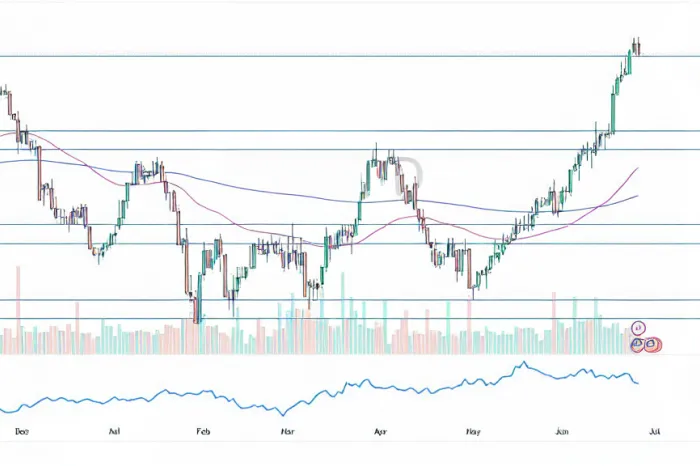
The USD/CAD currency pair is experiencing a modest decline as the Canadian Dollar gains strength, supported by rising crude oil prices and ongoing expectations of Federal Reserve interest rate hikes. Trading near the 1.4200 level, the pair has fallen for two consecutive sessions, reflecting increased demand for the commodity-linked Canadian Dollar.
Oil prices surged following a suspected projectile attack on a cargo vessel near Oman, which disrupted United Nations evacuation operations in the strategically vital Strait of Hormuz. This incident has heightened geopolitical tensions and concerns over global energy supply security, directly benefiting the Canadian Dollar due to Canada’s status as a major net exporter of crude oil. Petroleum exports constitute Canada’s largest source of foreign exchange revenue, linking CAD performance closely to fluctuations in energy markets.
Despite the Canadian Dollar’s recent gains, the US Dollar remains supported by hawkish expectations from the Federal Reserve. Market analysts assign a 63.4% probability to a Fed rate increase at the September 15–16 policy meeting, driven by rising inflation indicators. The headline Personal Consumption Expenditures (PCE) Price Index rose to 4.1% year-over-year in May, up from 3.3% in April, marking its highest level in three years. Core PCE inflation also increased to 3.4%, reaching levels not seen since October 2023. These inflation dynamics underpin the US Dollar’s resilience and limit USD/CAD downside.
Technically, Elliott Wave analysis suggests that after completing a corrective phase near the 1.3950 support level, USD/CAD could rally towards targets between 1.4536 and 1.4788. However, a break below 1.3950 might extend losses toward 1.3765–1.3550 levels. The pair’s recent trading behavior around key psychological levels such as 1.42 indicates market participants are cautious amid overbought conditions seen since early May.
Market watchers note that while Canada’s economy shows signs of sluggishness, interest rate differentials continue to favor the US Dollar due to expected Fed tightening compared to the Bank of Canada’s more neutral stance. The Bank of Canada has maintained its policy rate steady amid stable inflation trends and moderate economic data, which contrasts with growing inflation pressures in the United States.
Looking ahead, technical indicators point to possible short-term pullbacks in USD/CAD toward support near 1.4140 and 1.4000 before any renewed upward momentum can resume. Resistance is currently observed at the 1.4200 level with a break above recent highs around 1.4248 potentially signaling further gains toward congestion zones near 1.4350.
Overall, the USD/CAD exchange rate remains sensitive to developments in crude oil prices, geopolitical risks in the Middle East, and evolving monetary policy expectations from both central banks. Traders are advised to monitor inflation data closely alongside geopolitical events that could influence energy markets and currency valuations in coming weeks.