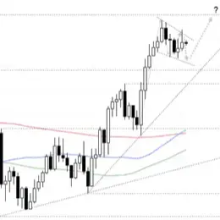
The GBP/USD currency pair experienced notable volatility and a moderate recovery on July 2, driven by improving UK political stability and weaker US labor market data. As of early trading, the pair was up approximately 0.56%, trading near $1.3347, marking a weekly gain of about 1.20%. This movement reflects a complex interplay of factors influencing investor sentiment and market positioning.
In the United Kingdom, political developments played a key role in supporting the British pound. Andy Burnham, who is leading the race to replace Keir Starmer as Prime Minister, reassured markets by committing to strict fiscal discipline, including adherence to existing borrowing limits and fiscal rules. This stance helped ease fears of unchecked government spending or rising budget deficits, which had previously weighed on sterling. Institutional investors responded positively, increasing demand for UK gilts and strengthening the pound’s appeal.
On the other side of the Atlantic, the US dollar faced downward pressure after disappointing private employment figures were released. The June ADP National Employment Report showed private sector job growth slowing to 98,000 jobs, well below expectations. This softer data raised concerns about the upcoming official Nonfarm Payrolls report, suggesting that the US labor market might be cooling. Such a trend could lessen upward pressure on Treasury yields and reduce expectations for further aggressive interest rate hikes by the Federal Reserve.
Despite Federal Reserve Chair Kevin Warsh maintaining a hawkish tone regarding inflation control, markets appeared to reconsider the likelihood of continued tightening following the weaker employment data. Meanwhile, Bank of England Governor Andrew Bailey emphasized that immediate interest rate cuts are unlikely due to persistent inflation risks in the UK service sector. This divergence in monetary policy outlooks between the Fed and BoE supported favorable interest rate differentials for sterling.
Technically, GBP/USD indicators remain mixed but cautiously optimistic. The Moving Average Convergence Divergence (MACD) suggests a neutral momentum, while the Relative Strength Index (RSI) hovers around 52, indicating neither overbought nor oversold conditions. The Williams %R indicator signals a buying opportunity. However, traders are advised to closely monitor upcoming US employment reports, as any surprises could trigger sharp intraday movements.
Market risks remain significant amid ongoing UK political uncertainty and economic challenges. Speculative short positions against sterling have reached levels not seen since 2015, reflecting heightened vulnerability to sudden downward shocks. Additionally, weakening business confidence and a widening current account deficit in the UK continue to pose headwinds for sustained pound strength.
From a broader perspective, GBP/USD faces resistance near technical levels such as the 20-day exponential moving average around 1.2650 and psychological barriers near 1.2700. A clear break above these points could strengthen bullish momentum; however, failure to breach these levels may result in resumption of the longer-term downtrend established since late last year.
In summary, while recent improvements in UK fiscal credibility and softer US labor data have supported sterling’s recovery against the dollar, substantial uncertainties persist. Traders should watch closely for official US employment figures and UK economic indicators to gauge whether GBP/USD can maintain its upward trajectory or if renewed selling pressure will emerge.