
The Japanese yen has fallen to its lowest point in nearly four decades, with the dollar-yen exchange rate surpassing 162 yen per dollar, a level not seen since 1986. Market analysts warn that the yen could weaken further, potentially reaching 170 yen per dollar by the end of the year unless significant structural changes are made by the Japanese government and the Bank of Japan (BOJ).
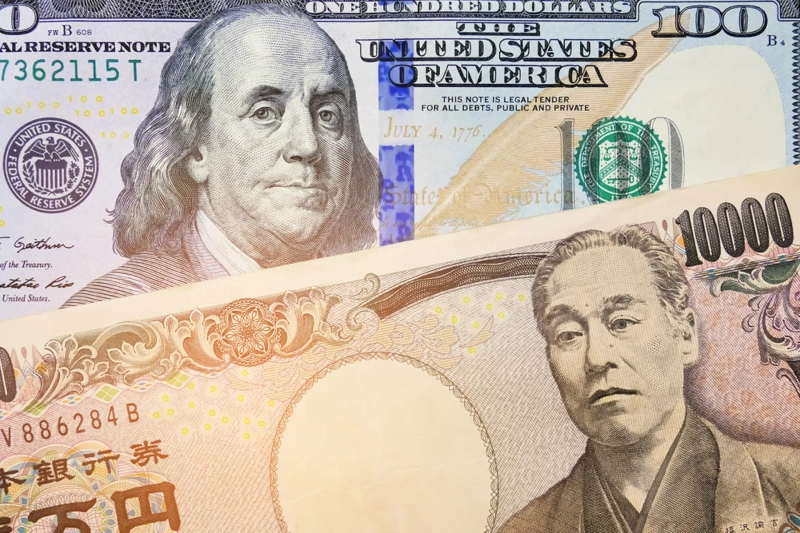
This depreciation reflects a combination of factors including the widening interest rate gap between Japan and the United States. The BOJ has been gradually raising its policy rate—from below zero to 1 percent in recent months—but this increase remains modest compared to US interest rates, which are substantially higher. This difference incentivizes investors to favor dollar-denominated assets over yen, putting continuous downward pressure on the currency.
In response to the yen’s decline, both the Japanese government and the BOJ have intervened in currency markets. The government spent a record amount defending the yen earlier this year, while the BOJ raised interest rates and hinted at further hikes. Despite these efforts, experts suggest that intervention alone may only slow the decline rather than reverse it.
Prime Minister Sanae Takaichi’s administration favors expansive fiscal policies, including tax cuts and large-scale public investment plans aimed at stimulating economic growth. However, this fiscal expansion combined with cautious monetary tightening is contributing to market uncertainty. The BOJ’s slower pace of rate hikes contrasts with expectations of more aggressive US Federal Reserve moves, maintaining a broad interest rate differential that encourages yen selling.
Market speculation about further BOJ intervention remains high, especially as the exchange rate approaches critical thresholds such as 165 yen per dollar. Should the yen weaken beyond this point without decisive action, some analysts believe it could open the door for even greater depreciation toward 170 yen or beyond. Hedge funds have increased bets on a weaker yen to levels not seen since 2017, reflecting growing confidence in this trend.
Technical indicators also show signs of shifting momentum. Recent market data reveals stretched short positions against the yen and bearish signals challenging previous expectations that investors would buy on dips. This has led to increased volatility and cautious sentiment among traders ahead of key US economic reports and Federal Reserve communications.
The implications of a weaker yen are mixed for Japan’s economy. While exporters benefit from increased competitiveness abroad, higher import costs are driving inflation and squeezing household budgets. Japan relies heavily on imported energy and food, so currency depreciation raises production costs and consumer prices.
Looking ahead, market participants will closely monitor upcoming Japanese economic data such as wage growth and household spending reports for signs of sustainable inflation and demand strength. Meanwhile, any further moves by the BOJ to raise rates or intervene in currency markets will be critical in shaping the trajectory of the yen.
Overall, Japan faces a delicate balancing act between supporting growth through fiscal stimulus and managing inflation via monetary policy tightening. The path chosen by Prime Minister Takaichi’s government and the BOJ will have far-reaching effects not only on Japan’s currency but also on global financial markets.