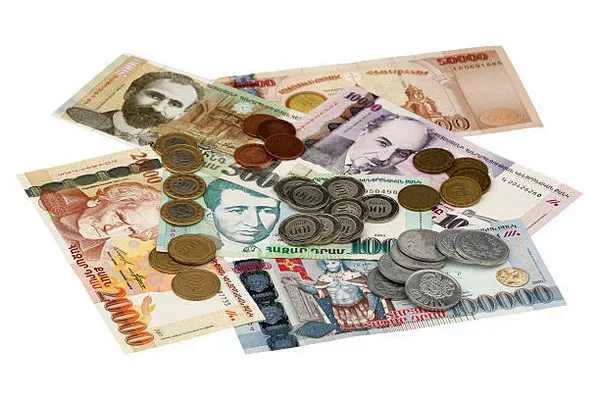
The JPY/USD pair fell sharply on August 6, 2025, reaching its lowest level in three months as the US dollar strengthened across the board. The pair traded at 158.75, down 1.2% from the previous session, marking its steepest single-day decline since mid-May. The primary driver behind the move was a surge in US Treasury yields following stronger-than-expected economic data, which reinforced expectations that the Federal Reserve may delay interest rate cuts.
The US Labor Department released its July nonfarm payrolls report, which showed an addition of 235,000 jobs, significantly exceeding market forecasts of 190,000. The unemployment rate remained steady at 3.9%, while average hourly earnings rose by 0.4% month-on-month, indicating persistent wage growth. These figures suggest that the US labor market remains resilient despite earlier concerns about a slowdown. As a result, traders scaled back bets on a Fed rate cut in September, with the probability of a reduction dropping to just 35%, down from 55% a week ago.
The yield on the 10-year US Treasury note climbed to 4.35%, its highest level since early May, widening the interest rate differential between the US and Japan. The Bank of Japan (BoJ) has maintained its ultra-loose monetary policy, keeping short-term rates at -0.1% and the 10-year Japanese government bond yield capped near zero. This policy divergence has continued to weigh on the yen, as investors favor higher-yielding assets in the US.
Market analysts noted that the yen’s weakness was further exacerbated by a rebound in risk appetite. Global equities rallied after China announced new stimulus measures to support its struggling property sector, easing concerns about a broader economic slowdown in Asia. The Nikkei 225 surged 2.1%, while the S&P 500 and Nasdaq Composite also posted gains in early US trading. A stronger risk environment typically reduces demand for the yen as a safe-haven currency, adding downward pressure on the JPY/USD pair.
Japanese authorities have expressed growing unease over the yen’s persistent depreciation. Finance Minister Shunichi Suzuki reiterated that the government is closely monitoring currency movements and is prepared to take “appropriate steps” if necessary. However, traders remain skeptical about the likelihood of intervention, given the lack of coordinated action from other G7 nations. The last time Japan intervened in the forex market was in late 2024, when the yen briefly touched 160 against the dollar.
Looking ahead, market participants will focus on upcoming US inflation data, with the July Consumer Price Index (CPI) report due later this week. A hotter-than-expected reading could further bolster the dollar, pushing the JPY/USD pair toward the psychologically critical 160 level. Conversely, softer inflation figures may revive expectations of a Fed rate cut, providing some relief to the beleaguered yen.
You Might Be Interested In:
- JPY/USD Hovers Near Multi-Month Lows Amid Persistent Challenges
- Japanese Yen Volatility Surges as Speculators Bet on Further Declines
- Japanese Yen Hits 38-Year Low Against US Dollar Amid Divergent…